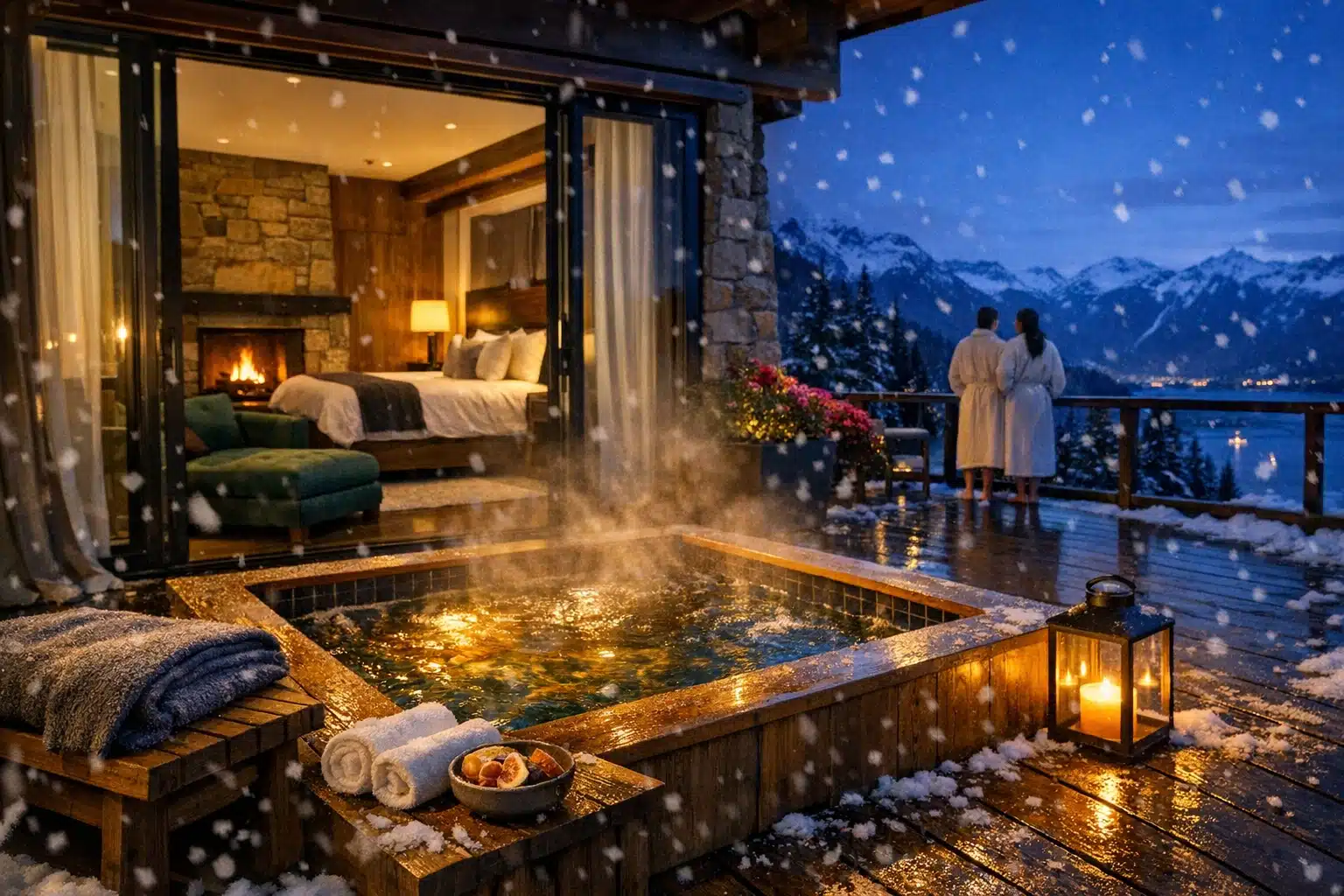
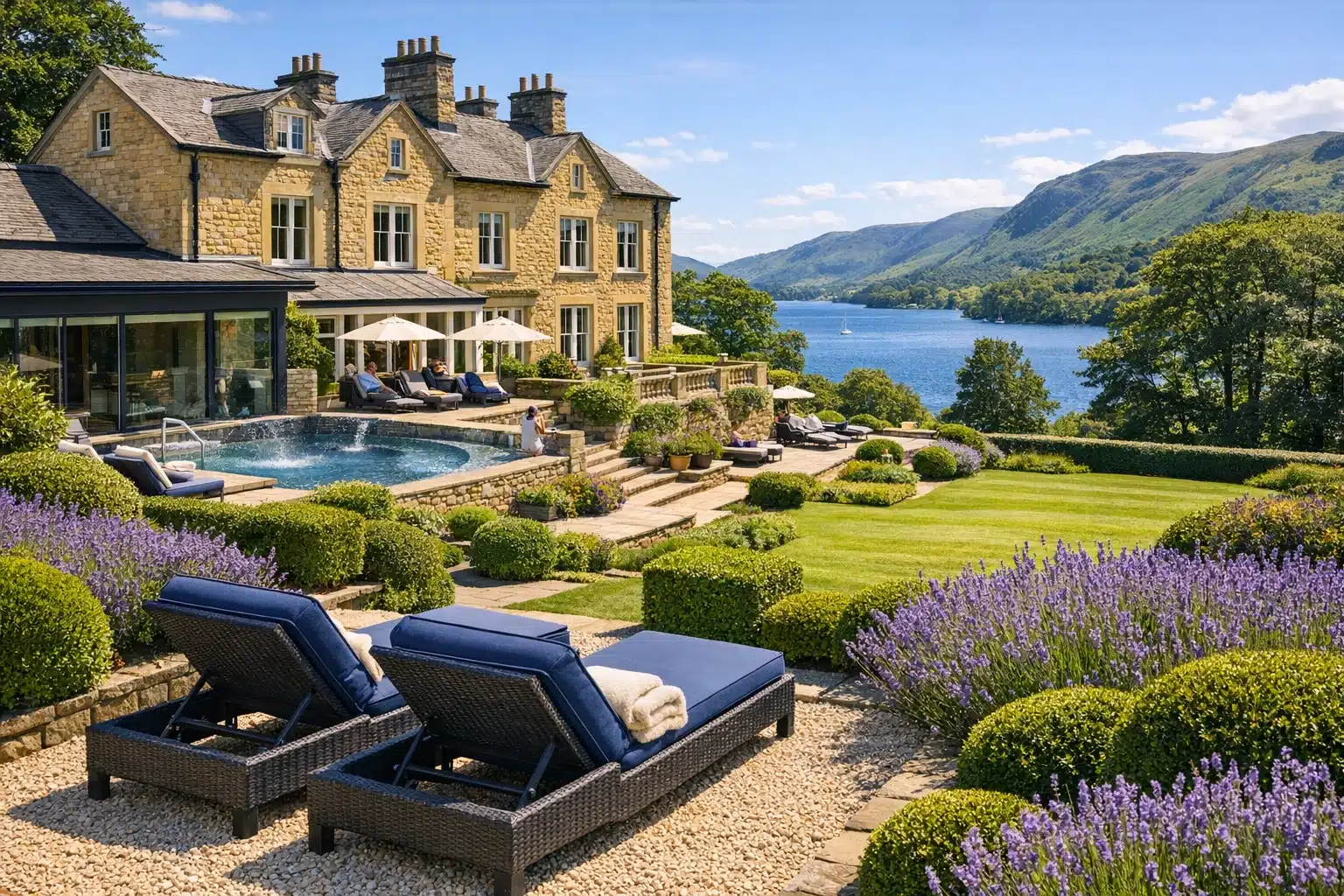
 Artificially generated image
 2-Night All-Inclusive Lake District Spa Retreat: What to Expect
Outline and Introduction
A two-night spa break in the Lake District can feel surprisingly generous, especially when crisp air, still water, and a slower timetable replace the usual rush. This article explores how to choose among the region’s most appealing spa hotels, how to plan a short wellness retreat without wasting precious time, and how all-inclusive packages differ from standard stays. If you want comfort, calm, and better value from a brief escape, the sections below will help you book with clearer expectations.
Outline for the article: • why the Lake District works so well for short wellness travel • how to judge the best spa hotels by location, facilities, atmosphere, and dining • which well-regarded properties suit couples, solo travellers, or special occasions • practical planning tips that make a two-night retreat feel longer and smoother • a clear comparison between all-inclusive deals and standard room bookings.
The Lake District has a natural advantage that many spa destinations have to manufacture. It already offers silence, changing light, broad water, and hills that encourage a slower pace. Since the national park became a UNESCO World Heritage Site in 2017, it has continued to attract visitors looking for landscape as much as luxury. That matters because a wellness stay is rarely about the treatment list alone. The setting shapes the mood, and in this part of Cumbria the setting does a great deal of the work.
Short retreats are also increasingly relevant because many travellers do not want to wait for a full week away. A two-night trip is easier to schedule around work, childcare, or a busy calendar, and it can still provide real downtime if the hotel is chosen carefully. The wrong choice, however, can make the same break feel cramped. A beautiful room with limited spa access, a scenic location with awkward transport, or an attractive package with too many extras can turn relaxation into admin.
That is why this guide focuses on practical comparison rather than dreamy slogans. The best spa hotel for one guest may be a polished lakeside resort with a thermal journey and busy restaurant scene, while for another it may be a quieter country house where the mood is intimate and the timetable is loose. By starting with an outline and moving into detailed comparisons, you can narrow the field more intelligently. Think of this article as a map before the walk: not the experience itself, but a better way to arrive at it.
What Makes the Best Spa Hotels in the Lake District
When people search for the best spa hotels in the Lake District, they often mean different things. Some want a sleek, contemporary wellness space with outdoor hot tubs and thermal cabins. Others imagine a classic country-house hotel where the spa is part of a wider weekend of good food, deep armchairs, and long views across water or woodland. That is why “best” is less useful as a fixed label and more useful as a set of criteria.
Location comes first. Windermere and the South Lakes are especially popular because they are relatively straightforward to reach by road and train connections, and they place guests close to lively towns such as Bowness and Ambleside. Properties around Keswick, Bassenthwaite, and Ullswater often feel more secluded and can suit travellers who want stronger scenery and a quieter atmosphere. If your stay is only two nights, shaving even thirty or forty minutes off travel can noticeably improve the rhythm of the break.
Spa design is the next major factor. A hotel may advertise a spa, but the actual experience can vary a lot. Some properties offer a broad wet-thermal circuit with sauna, steam room, hydrotherapy pool, outdoor pools, and relaxation spaces. Others focus more on treatment rooms and beauty services. Neither approach is wrong, but they create different kinds of stay. If you love drifting between heat and cold experiences, a larger spa complex will matter more than an extensive menu of facials and massages. If you mostly want one excellent treatment and a peaceful bedroom afterwards, a smaller spa may be enough.
Dining also affects the overall value of a spa trip. On a short retreat, guests often prefer to stay on site rather than drive elsewhere for dinner. A good hotel restaurant removes friction from the evening and makes the package feel complete. In the Lake District, where weather can switch quickly from silver sunshine to heavy rain, that convenience matters even more.
Useful questions to ask before booking include: • Is spa access included or time-limited? • Are any facilities adults-only? • Are treatments part of the rate or extra? • Does the room category affect the experience? • Is the atmosphere romantic, social, family-friendly, or quiet? Hotels often recommended by travellers include Low Wood Bay Resort and Spa, Gilpin Hotel and Lake House, Lodore Falls Hotel and Spa, Armathwaite Hall Hotel and Spa, Another Place, The Lake, and The Swan Hotel and Spa. Each has strengths, but the right match depends on what kind of restoration you are actually seeking.
Standout Spa Hotels and Who They Suit
Among well-known options in the region, Low Wood Bay Resort and Spa is often chosen by guests who want a modern wellness experience with a broad range of facilities. Its setting near Windermere gives it practical appeal, and many visitors like the combination of water views, contemporary interiors, and an energetic resort atmosphere. This sort of property suits couples who enjoy a polished environment, groups of friends planning a celebratory break, and anyone who wants more than a single treatment room tucked behind reception.
Gilpin Hotel and Lake House appeals to a different type of traveller. It is frequently associated with boutique luxury and privacy, which can make it especially attractive for anniversaries, proposal trips, or short escapes where seclusion matters more than a large shared thermal area. Guests who want an intimate mood, high-touch service, and a sense of retreat from everyday noise may find this style more rewarding than a larger resort. It is less about spectacle and more about atmosphere.
Lodore Falls Hotel and Spa is another name that regularly appears in discussions of Lake District spa breaks, partly because dramatic scenery is such a large part of its draw. For travellers who want to feel deeply placed in the landscape rather than simply near it, hotels around Derwentwater and Keswick can be compelling. The setting encourages a mixed stay: morning swim, afternoon walk, slow dinner, then an early night while the fells disappear into cloud.
Armathwaite Hall Hotel and Spa tends to attract guests who enjoy traditional country-house character. That means period style, a sense of occasion, and surroundings that feel established rather than newly designed. It can be a good fit for travellers who want a classic hotel break with wellness woven into it, rather than a spa-led resort with accommodation attached. Another Place, The Lake, by contrast, offers a more relaxed and active mood. Its appeal lies in combining outdoor life with comfort, making it interesting for guests who want paddleboarding, lakeside walks, or simply a fresher, less formal energy.
The Swan Hotel and Spa is often appreciated for accessibility and a more informal social feel, especially for short South Lakes breaks. If you are driving up after work and want to settle in quickly, that ease can matter as much as any treatment list. In practical terms, the choice often comes down to this: • choose a bigger resort if spa facilities are the main event • choose a boutique hotel if privacy and service shape the trip • choose a country-house setting if ambience matters most • choose a more active lakeside base if you want wellness mixed with gentle adventure. The best hotel is the one that fits the pace you are hoping to find.
Tips for Planning a Short Wellness Retreat
The secret of a good two-night wellness break is subtraction. Many travellers try to squeeze in too much because the trip is short, yet the feeling of being rushed defeats the point almost immediately. A better strategy is to decide what the retreat is for. Are you trying to rest, celebrate, reconnect, recover after a stressful period, or simply enjoy a change of scene? Once that purpose is clear, planning becomes simpler and the right hotel becomes easier to identify.
Start with timing. Midweek stays are often calmer than Friday and Saturday departures, and they can also offer better rates or more package availability. For travellers with flexibility, that can make a visible difference in value. Next, think hard about travel friction. If a hotel requires a long final drive on narrow roads after a tiring workday, your first evening may feel more draining than soothing. On a short break, convenience is not a boring detail; it is part of the wellness experience.
Book treatments as early as possible. The most popular slots are usually late afternoon on arrival day and late morning the next day. If you wait until a week before departure, you may get the room you want but not the massage or facial time that makes the stay feel complete. It is also worth checking whether spa access is tied to a fixed session. Some hotels include a two-hour thermal window rather than unrestricted use, which can affect how you plan lunch, walks, or rest.
A practical packing list helps keep the mood light: • swimwear and a spare set if you dislike dressing again in damp fabric • comfortable shoes for short walks • one weatherproof layer, because Cumbria can change quickly • a book or journal if you genuinely plan quiet time • simple evening clothes that do not need thinking about. Pack less than you think you need. A retreat works best when your suitcase does not feel like a second to-do list.
For a two-night format, a strong rhythm looks something like this. Arrive with enough daylight to settle in, have a swim or sauna, and eat dinner on site. Use the full middle day for treatments, a gentle walk, long lunch, or an unhurried afternoon in the spa. On the final morning, resist the urge to fill every hour. A relaxed breakfast and one last steam room session often leave a stronger impression than a packed itinerary. When the hotel, the timetable, and your own expectations are aligned, even forty-eight hours can feel spacious rather than small.
All-Inclusive Packages vs Standard Stays, and What to Expect
The difference between an all-inclusive spa package and a standard stay is not just price. It is structure. A standard booking usually covers the room and sometimes breakfast, with dinner, treatments, spa upgrades, and added experiences charged separately. That format suits travellers who want flexibility, plan to dine elsewhere, or care most about the hotel itself rather than a bundled deal. It can also work well if you are arriving late, leaving early, or only intend to use the spa lightly.
An all-inclusive package, by contrast, is designed to reduce decision-making. It often combines accommodation with meals, spa access, and sometimes treatment credit or a specific treatment. The appeal is obvious on a short break. You know more of the total cost upfront, and you spend less time checking menus, calculating extras, or wondering whether to book one more element. Discover a 2‑night all‑inclusive spa retreat in the Lake District with scenic views, dining, and wellness amenities for a refreshing short break.
That said, not every all-inclusive offer includes the same things. One package may cover breakfast, dinner, and thermal spa access but exclude treatments. Another may include a set dining allowance rather than a fully open menu. Some hotels define “all-inclusive” quite narrowly, so reading the detail matters. Look for the following before you commit: • whether drinks are included or only meals • whether spa access is once per stay or daily • whether treatment time is guaranteed or subject to availability • whether there are supplements on premium dishes or upgraded rooms • whether check-in and check-out days include use of the facilities.
For many guests, the value question comes down to behaviour. If you know you will eat in the hotel, use the spa every day, and book at least one treatment, a bundled package can compare very well with building the same trip from a standard rate. If you prefer wandering into local restaurants, spending half a day hiking, and keeping plans loose, a standard stay may be the smarter buy. Neither model is universally better; each rewards a different travel style.
For couples wanting a smooth, romantic escape, an all-inclusive format often removes the little decisions that interrupt downtime. For solo travellers, it can create reassurance and make budgeting easier. For experienced spa-goers who already know exactly what they want, a standard stay may offer better control. The most useful conclusion is simple: book the package that matches your habits, not the one with the flashiest headline. If your goal is a short break that feels calm from arrival to departure, clarity is every bit as luxurious as the robe waiting in your room.