Discover the Fashion Trends Shaping Premium Thongs This Year
Underwear sits closer to the body than almost any other garment, so its quality becomes obvious faster than branding or marketing ever can. In the premium segment, material choice, pattern accuracy, and finishing methods shape comfort as much as style. For 2026, the conversation has moved toward smarter textiles, cleaner lines, and pieces that look minimal while hiding complex construction. That makes premium thongs a useful case study in how modern lingerie blends fashion taste with technical precision.
Outline:
– Why premium thong design matters in 2026
– How fabric selection changes feel, fit, and longevity
– Which construction methods separate luxury from mass-market basics
– What trend signals are shaping color, silhouette, and detail
– How shoppers can judge quality and buy more thoughtfully
Why Premium Thongs Matter More in 2026
Premium underwear has moved from niche indulgence to considered wardrobe category, and that shift says a lot about the way fashion is changing. Consumers are spending more carefully, yet many are also buying fewer items with the expectation that each one should feel better, fit better, and last longer. In that environment, premium thongs are not simply about decoration. They are about performance at a small scale: how a waistband behaves under trousers, how a leg opening holds its shape through a long day, and how a fabric responds after frequent washing. The category may be compact, but the standards are surprisingly high.
Part of the 2026 relevance comes from the wider rise of quiet luxury and material literacy. Shoppers have become more comfortable asking practical questions that once belonged only to industry insiders. They want to know whether a microfiber is recycled, whether a lace trim is soft or scratchy, whether bonded edges will curl, and whether the gusset lining is breathable. That level of attention has pushed brands to explain their construction in more detail. It has also made editorial trend coverage more useful, because trends are no longer judged on appearance alone. A pretty color story matters, but so does whether the design supports real wear.
There is also a strong lifestyle reason behind the category’s momentum. Many wardrobes now mix office tailoring, relaxed denim, active pieces, and occasionwear within the same week. Underwear has to move across those contexts without creating visible lines or discomfort. Premium thongs answer that demand in different ways:
– minimal seams for close-fitting skirts and trousers
– finer elastic application for less pressure at the waist
– smoother fabric surfaces under silk, wool, or jersey
– better recovery, so the garment does not lose tension after a few uses
What makes 2026 especially interesting is that design is becoming subtler while engineering grows more sophisticated. The visual effect may be light and effortless, yet behind it sit careful choices about fiber content, stitch density, edge finishing, and pattern grading. It is a bit like good architecture in miniature: the cleaner it looks, the more planning is usually hidden beneath the surface. For shoppers, that means premium quality is easier to feel than to photograph, which is exactly why informed buying matters.
Premium Fabric Selection: The Foundation of Feel, Fit, and Longevity
Fabric is where the premium story truly begins. Before lace placement, before color, before branding, there is the base material against the skin. The best premium thongs tend to use fabrics chosen for a precise purpose rather than a generic sense of luxury. Long-staple cotton offers softness and breathability with a cleaner surface than lower-grade cottons. Silk brings a cool, fluid handfeel and a delicate sheen, though it often requires more careful maintenance. Modern modal and TENCEL lyocell blends are popular because they combine drape, softness, and moisture management in a way that feels polished rather than overly technical. Meanwhile, premium microfibers, especially those made from high-quality recycled polyamide blends, deliver a sleek finish that disappears well under clothing.
The key is balance. A thong must be light, but not flimsy. It should stretch, but not become baggy. It needs softness, yet it also has to survive repeated laundering. That is why many premium designs rely on blended constructions rather than single-fiber purity. A modal-elastane blend may offer a smoother everyday feel than pure cotton. A silk body with a cotton gusset can combine elegance with practicality. A fine-gauge microfiber can outperform a heavier fabric when the goal is invisibility under a fitted dress. In other words, “premium” does not mean one magic textile. It means selecting the right textile for the intended wearing experience.
Useful comparison points include:
– Cotton: breathable, familiar, and easy to wear, especially for daily rotation
– Silk: luxurious handfeel and beautiful drape, but more delicate in care
– Modal or lyocell: exceptionally soft, fluid, and often cooler against the skin
– Microfiber: smooth, lightweight, quick-drying, and ideal for low-visibility styling
– Stretch mesh: airy and modern, often used for panels rather than full coverage
Another important detail is finishing. Two garments can use similar fiber labels and feel completely different because of knitting density, brushing, mercerizing, or dye quality. Premium mills usually produce more consistent yarns and more stable fabrics, which helps with fit retention over time. Certifications such as OEKO-TEX or recycled fiber standards can also add clarity, though they should support quality claims rather than replace them. In 2026, informed shoppers increasingly look past the romance of a fabric name and ask a better question: how does this material behave after ten wears, ten washes, and a full day on the move?
Modern Lingerie Craftsmanship: Where Luxury Is Built, Not Advertised
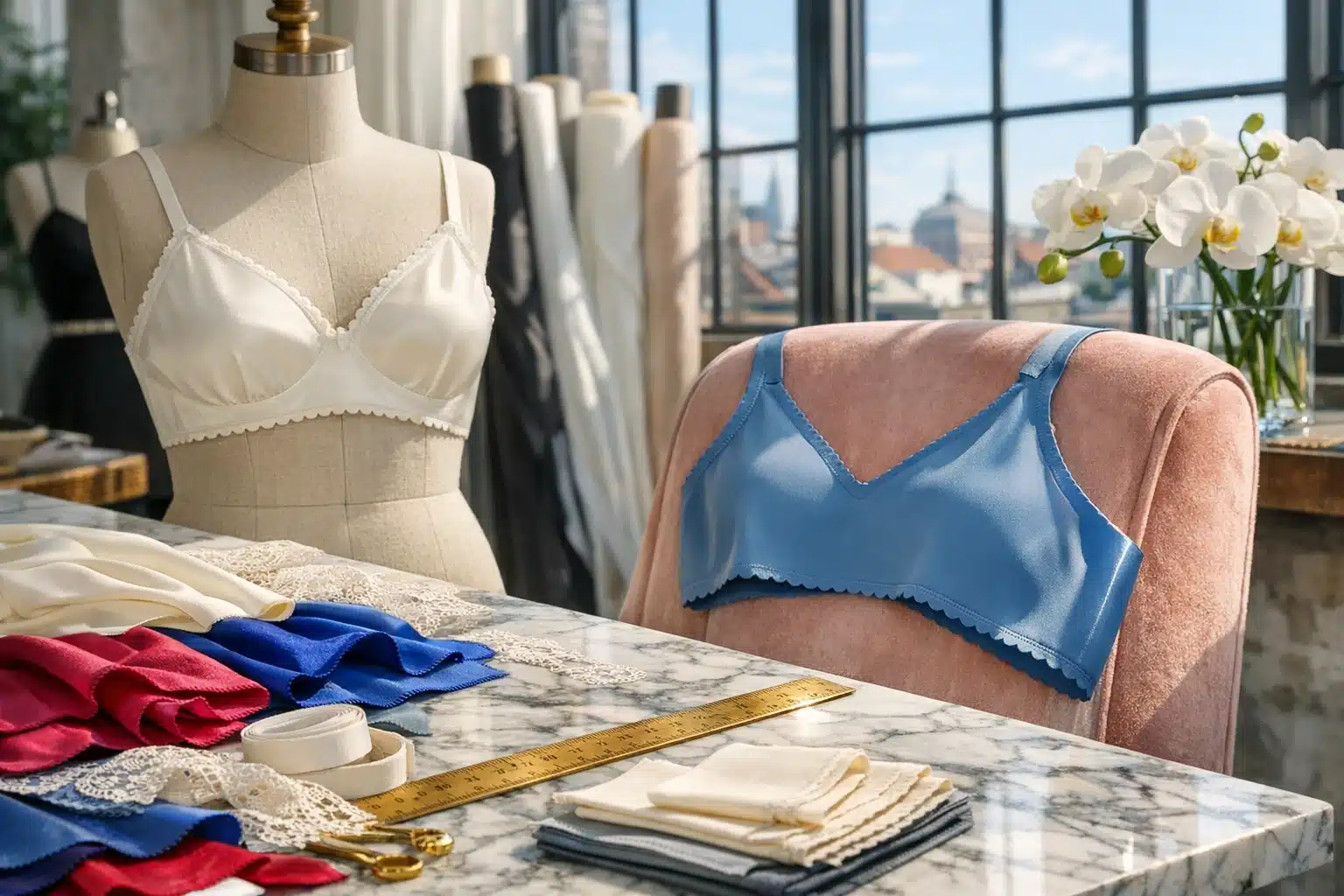
If fabric is the foundation, craftsmanship is the structure that makes a premium thong worth its price. Construction in modern lingerie is rarely loud or obvious. In fact, the highest-quality examples often seem almost simple at first glance. That apparent simplicity is deceptive. Good lingerie design depends on precise pattern cutting, intelligent tension mapping, and finishing methods that prevent rubbing, twisting, and early wear. A beautifully soft fabric can still fail if the seams sit in the wrong place or the waistband is applied with uneven tension.
One major sign of modern craftsmanship is seam discipline. Premium thongs are often engineered to reduce bulk exactly where clothing pressure is highest. Some use flatlock stitching for a low-profile finish, while others rely on bonded edges or laser-cut panels to minimize visibility beneath lightweight garments. Neither technique is automatically superior. Bonded finishes can create a clean, modern look, but they need high-quality adhesives and accurate production control. Traditional stitching can last extremely well, but only when thread quality, stitch density, and edge stability are properly matched. The difference between refined and mediocre construction is usually found in these small technical decisions.
Craftsmanship also shows in the placement of lace, mesh, and trim. On cheaper garments, decorative elements may be added with little regard for stretch direction or abrasion points. On better pieces, every panel serves both aesthetic and functional purposes. Lace may be cut to preserve a scalloped edge without adding scratchiness. Mesh inserts may improve flexibility where the body moves most. Elastic may be enclosed, brushed, or folded in ways that soften contact with the skin. The garment ends up feeling effortless because the hard work has been done earlier, in development and testing.
Look for these quality indicators:
– even, secure stitching with no skipped threads
– seams that lie flat rather than ridge or roll
– gusset construction that feels breathable and stable
– hardware, if used, that is smooth and proportionate
– edge finishes that recover their shape instead of wavering after washing
The finest brands often fit-test across multiple sizes rather than scaling one pattern mechanically. That matters because a thong’s proportions are sensitive; a few millimeters can affect comfort in a noticeable way. Modern lingerie craftsmanship, at its best, is almost cinematic in its restraint. Nothing needs to shout. The garment simply does its job with quiet confidence, and the wearer notices that absence of distraction as a form of luxury in itself.
2026 Underwear Trends: Minimalism, Texture, and Smarter Detail
The 2026 underwear landscape is defined by refinement rather than spectacle. Trends are moving away from overly busy ornament and toward textures, finishes, and silhouettes that feel edited. That does not mean the category is becoming boring. Quite the opposite. Designers are finding fresh expression through subtle contrast: matte against shine, smooth microfiber beside delicate lace, clean-cut edges paired with vintage-inspired embroidery, and neutral shades interrupted by one controlled accent color. The mood is thoughtful, not plain.
Color direction is especially telling. Soft mineral tones, powdery pastels, cocoa neutrals, deep espresso, muted rose, and cool slate shades are appearing more often than high-saturation brights. These colors work well with the broader wardrobe shift toward versatile dressing and understated luxury. At the same time, black, ivory, and skin-tone ranges remain essential, though better brands are expanding what “nude” means by offering a wider spectrum of shades. Inclusivity in color is no longer a marketing extra; it has become a baseline expectation.
Silhouette trends are equally interesting. High-leg cuts continue to influence thong design because they visually lengthen the line of the body and sit well under modern tailoring. Seamless or near-seamless finishes remain important, but in 2026 they are being paired with more tactile details, such as soft floral lace panels, sheer inserts, or directional ribbing. The idea is not maximal decoration. It is controlled texture that adds character without sacrificing wearability. An overview of 2026 luxury thong trends, highlighting materials, craftsmanship, and design features featured by British fashion resources.
That editorial focus reflects several recurring themes:
– premium natural-touch fabrics mixed with technical stretch
– cleaner waist finishes that avoid harsh compression
– visible craftsmanship, but only in restrained doses
– vintage references translated into lighter, more practical forms
– versatile styling that works for daily wear, not just special occasions
Another notable trend is the merging of sensual design with genuine utility. Consumers increasingly want pieces that feel beautiful without being precious. A premium thong in 2026 might include bonded sides for invisibility, a breathable gusset, and a finely placed lace back panel that still feels modern rather than overtly ornate. It is less about dressing up for a dramatic moment and more about building a wardrobe of small essentials that elevate the day. Like a well-cut collar or a perfect cuff, the effect is quiet, but the difference is real.
Final Thoughts for Style-Conscious Shoppers
For shoppers trying to make sense of the premium market, the best approach is part curiosity, part discipline. Start with touch, but do not stop there. A fabric can feel luxurious in the hand and still underperform after washing if the knit is unstable or the finishing is weak. Read composition labels, but also pay attention to construction notes, care guidance, and whether the brand explains why a certain material was chosen. Premium value comes from the relationship between textile, cut, and workmanship, not from a romantic product description alone.
It helps to shop with a realistic framework. Ask what role the piece will play in your wardrobe. Is it meant for daily use under fitted workwear, for lightweight summer dresses, for travel, or for occasional styling where appearance matters as much as feel? The answer changes what “best” looks like. A microfiber thong may be ideal for invisibility under slim trousers, while a cotton-modal style may become the preferred choice for long everyday wear. A lace-forward option might deliver charm and confidence, but only if the lace is soft enough to remain comfortable for hours.
A practical checklist can simplify the decision:
– choose fabrics according to use, not trend alone
– inspect seam placement and waistband recovery
– look for breathable lining and consistent finishing
– consider care requirements before buying delicate fibers
– rotate garments to preserve elasticity and extend lifespan
Care matters more than many people think. Cool washing, gentle detergents, and avoiding excessive dryer heat can significantly improve longevity, especially for elastane-rich blends and bonded finishes. Storage also plays a role; crushed, snag-prone fabrics age faster when treated carelessly. In a category this small, little habits create big differences.
The real appeal of premium thongs in 2026 is not excess. It is precision. The most compelling designs use better materials, sharper pattern work, and subtler trend cues to create garments that support the wearer without demanding attention. For readers building a smarter wardrobe, that is the takeaway worth keeping: buy less, notice more, and let quality reveal itself through comfort, durability, and thoughtful design.