Popular Beach Dresses 2026: Styles That Shine in Photos
Packing for the coast is easier when one dress can handle a boardwalk lunch, a sunset walk, and a dozen camera-roll moments without looking ordinary. Shoppers are becoming sharper in 2026, favoring pieces that feel polished but still fit a sensible budget. That makes beach dresses worth a closer look, because silhouette, textile, and color can change how an outfit reads in daylight. Start with the framework below, then use the deeper sections to narrow down what will truly suit your plans.
Outline: This article first explains why affordable beach dresses can look far more expensive in photos than their price suggests. It then breaks down the cuts that shape the body gracefully, the fabrics and colors that brighten the face and skin, ten design directions trending for summer 2026, and a final practical guide to shopping, styling, and wearing these pieces well on a real budget.
1. Why Budget-Friendly Beach Dresses Can Look Premium in Photos
Price and visual impact are not always close friends. In beachwear especially, an inexpensive dress can look remarkably polished if it does three things well: it hangs cleanly, moves lightly, and avoids distracting details. Cameras, especially phone cameras in strong sun, tend to reward simplicity. A crisp line at the shoulder, a hem that sways instead of clinging, and a fabric surface that does not glare too much will usually photograph better than excessive hardware, busy logos, or awkward trim.
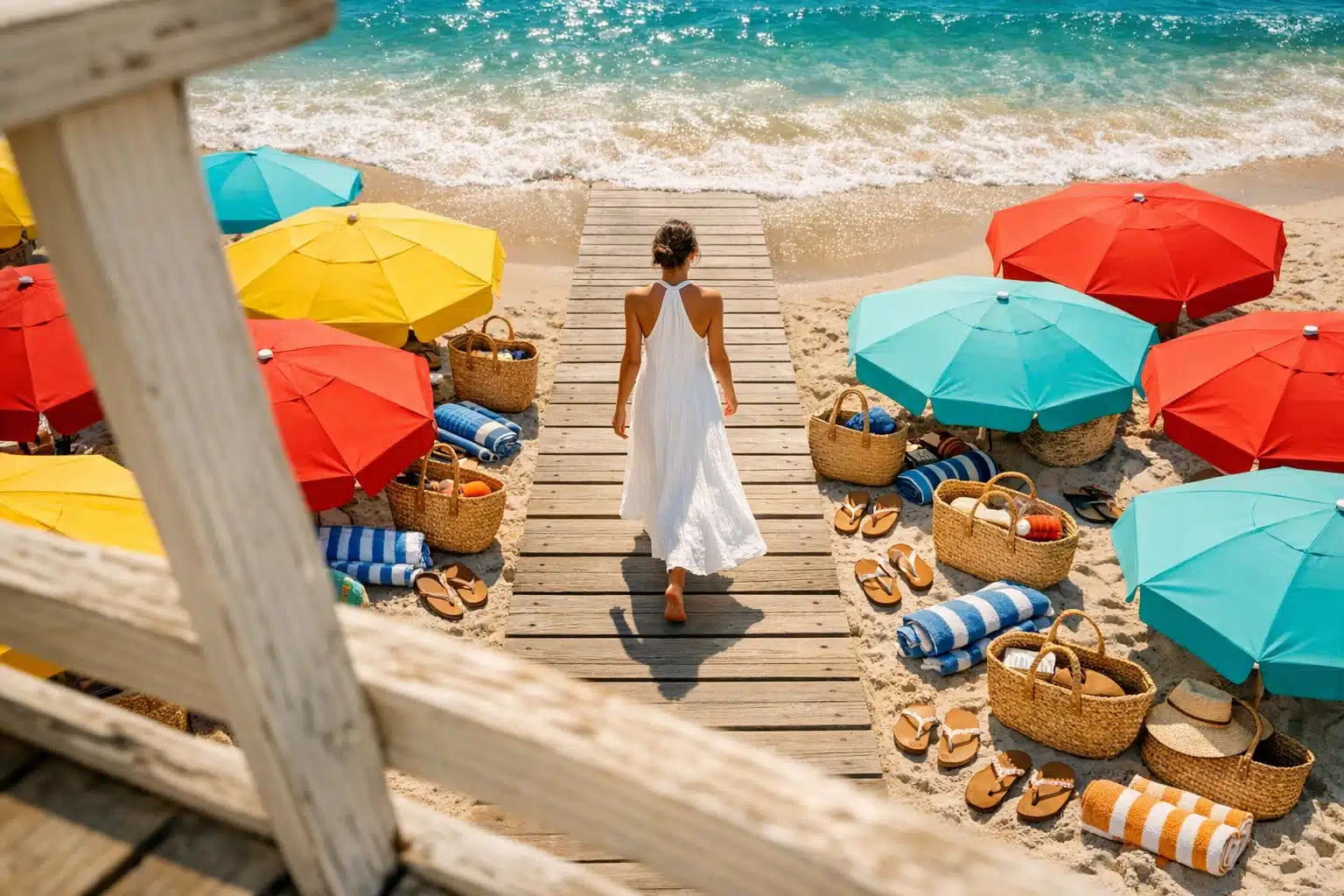
Glow effortlessly in photos with this season’s popular beach dresses — stylish, affordable, and designed to flatter under the sun.
The key is understanding what reads as “premium” on screen. It is rarely the label. It is more often the impression of balance and ease. Dresses that look expensive in pictures usually share a few traits:
• clean seams and a neat neckline
• enough structure to hold shape without looking stiff
• fabric with texture or drape rather than a plastic-looking shine
• a color that works with natural light instead of fighting it
There is also a practical side to this. Many budget beach dresses are made for warm-weather comfort, so they are lighter and less layered than formal clothing. That can work in your favor. A cotton-blend midi with a defined waist may look more refined on a shoreline than a complicated dress with too many panels. Likewise, a simple slip dress in a flattering tone can feel far more elegant in photos than a cheaper garment overloaded with ruffles in the wrong places.
Think of the camera as a strict editor. It does not care what was trending in a shop window if the fit bunches under the bust or the straps twist strangely. Before buying, study product photos for how the dress falls at the sides, whether the hemline looks steady, and whether the fabric creases attractively or just collapses. Reviews help too, especially when buyers post outdoor images rather than studio shots.
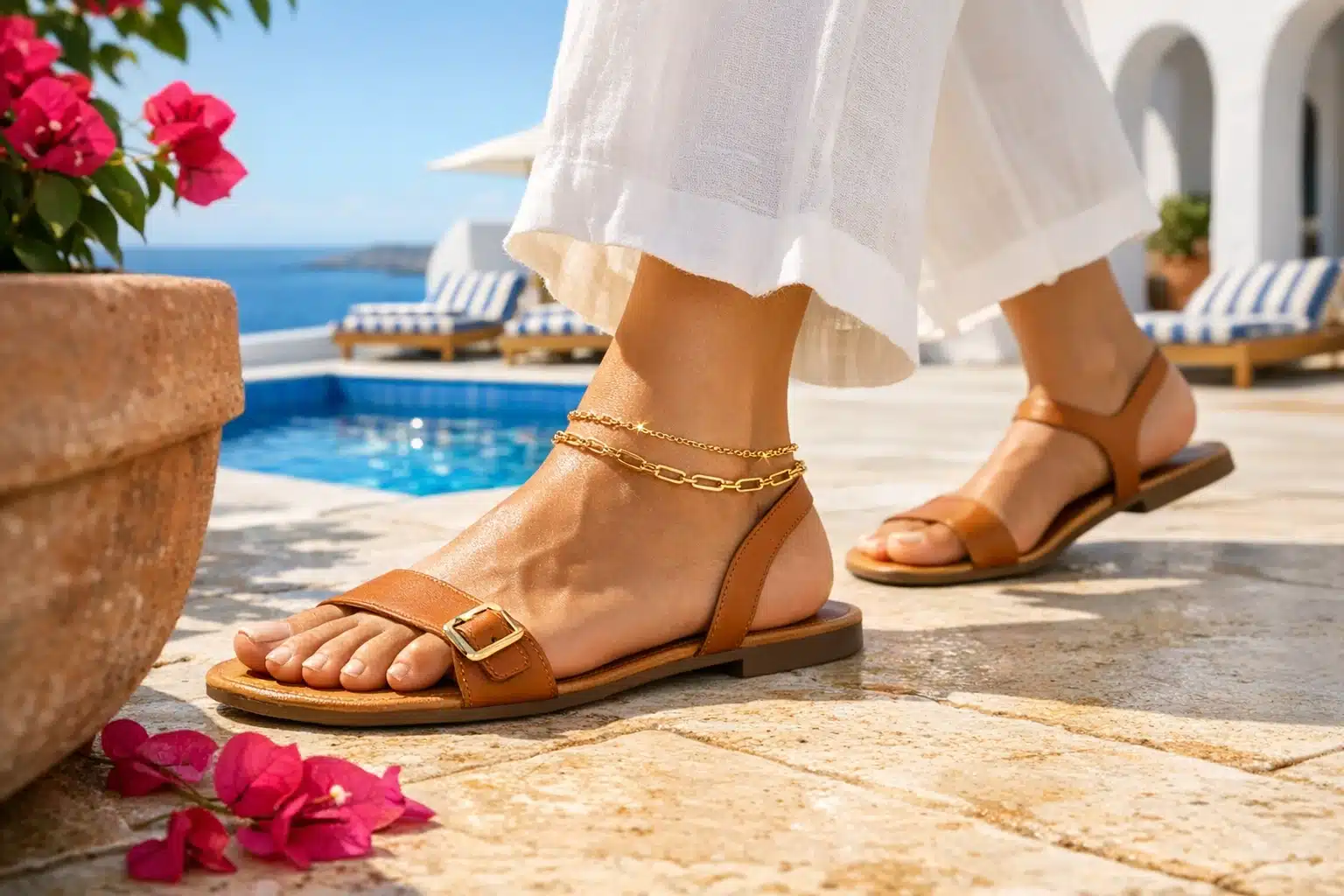
A budget-friendly dress also looks better when styled with restraint. Flat leather-look sandals, simple earrings, a straw tote, or a white overshirt can make an affordable piece feel intentional. The effect is a little like a sea breeze through linen curtains: light, clean, and quietly luxurious without trying too hard.
2. How Cuts Shape the Body and Create a More Radiant Look
The cut of a beach dress determines far more than silhouette. It affects posture, movement, and the way sunlight traces the body. A good cut can soften proportions, lengthen the frame, and bring attention toward the face, which is often the real goal in photographs. When people say a dress makes them “glow,” they are often responding to these structural effects rather than magic in the garment itself.
Wrap-inspired shapes remain one of the most reliable options because they create definition without stiffness. They suit a wide range of body types, and the diagonal line across the torso usually photographs well from both the front and the side. A-line dresses are equally useful for beach settings because they skim the hips and create movement near the hem, giving photos a breezy, natural finish. Empire-line designs can be comfortable in heat and flattering when you want a softer, relaxed profile, though they work best when the fabric below the bust still has some drape.
For a more modern feel, straight-column beach dresses are becoming increasingly popular. These work especially well in ribbed knits, crochet layers, or crinkle textures because the vertical line makes the figure appear longer. On the other hand, a fit-and-flare style can look playful and balanced, particularly for daytime resort photos or casual summer gatherings. The choice depends on the mood you want:
• wrap cuts feel classic and adaptable
• columns read sleek and editorial
• A-line shapes feel airy and forgiving
• fit-and-flare styles bring youthful movement
Necklines matter just as much. Square necks frame the collarbone cleanly and often look polished in still images. Halter cuts can emphasize shoulders beautifully, making them ideal for sunset shots or backless designs. V-necks help elongate the upper body, while one-shoulder styles add asymmetry that can make even a simple dress feel directional. Sleeve treatment also changes the result. Cap sleeves can look sweet but may visually shorten the arm, while slim straps and open shoulders usually feel lighter in beach light.
Length should be considered in relation to wind and setting. A midi is often the safest all-rounder: elegant, practical, and easy to style. Minis can look fresh and playful, but they depend more on confidence and the right occasion. Maxis deliver drama, especially near water, yet they need enough fabric quality and cut precision to avoid looking heavy. If a long dress moves like it belongs there, the effect is cinematic. If it drags or twists, the illusion breaks quickly.
Ultimately, the best cut is the one that makes you stand a little taller without feeling dressed up for the wrong scene. Comfort shows on the face, and the camera notices that too.
3. Fabrics and Colors That Enhance Your Glow in Sunlight
Fabric is where many affordable dresses either rise above expectations or reveal every compromise. On a hanger, two beach dresses may look similar. In daylight, they can tell completely different stories. The winning fabric is not always the most expensive one, but it should respond well to motion, breathability, and light. Cotton voile, cotton poplin, linen blends, gauze, rayon, and textured viscose often perform well because they offer softness and shape without the glossy finish that can make a garment appear synthetic in photographs.
One useful rule is to pay attention to surface character. Matte or lightly textured materials usually read more expensive than fabrics with an artificial shine. Crinkle finishes, subtle slub weaves, and open-knit crochet overlays can add dimension that flatters the body and catches light gently. Thin polyester that clings and reflects too sharply often does the opposite. Even when it is technically practical, it may highlight wrinkles, static, or uneven seams.
Color is just as powerful. Natural sunlight intensifies tones, so the right shade can make skin appear brighter and healthier, while the wrong one can wash features out. Warm neutrals such as cream, sand, terracotta, and soft caramel often look beautiful against beach backgrounds. Fresh shades like seafoam, aqua, coral, butter yellow, and tomato red can add life to vacation photos without overwhelming them. Crisp white remains a classic, but off-white or ecru can be easier to wear and often appears richer on camera.
Choosing color can be simplified by looking at undertone and setting:
• if your skin has warm or olive notes, try sunlit shades like coral, peach, saffron, or bronze-brown
• if your coloring leans cool, shades such as cobalt, icy blue, raspberry, or sea glass can feel especially clear
• if you want a universally easy option, softened neutrals and muted tropical tones are usually dependable
Pattern deserves care too. Tiny, crowded prints can become visually noisy in bright images, while oversized prints may dominate the frame. Medium-scale florals, blurred watercolor motifs, stripe placements, or subtle ombré effects often work better. They give interest without stealing attention from the wearer.
There is also the matter of timing. Morning light tends to be cleaner and cooler. Golden hour softens features and enriches warmer shades. A sandy beige dress may look understated at noon and suddenly look luxurious near sunset. That is why a seemingly simple dress can become memorable in the right fabric and color: the light completes the look. You are not only buying cloth; you are choosing how it behaves in the atmosphere where you plan to wear it.
4. Ten Trending Beach Dress Designs for Summer 2026
Summer 2026 is shaping up to be a season of easy elegance rather than excess. The most interesting beach dresses feel wearable first, photogenic second, and trend-aware without becoming costume-like. Below are ten design directions worth watching, especially if you want styles that look current while still offering good value.
1. Butter yellow midis. Soft yellow is becoming a standout shade because it feels warm, fresh, and flattering in sunlight. In simple midis with thin straps or square necks, it looks modern without trying too hard.
2. Sheer overlay maxis. These combine a lightweight slip base with a translucent outer layer. The result is movement and depth, which cameras love, particularly near water or in wind.
3. Soft crochet columns. Crochet is returning in cleaner, less bohemian forms. Instead of heavy festival styling, the 2026 version leans sleek, tonal, and beach-resort friendly.
4. Smocked bandeau dresses. Comfortable and easy to pack, these are ideal for casual seaside days. The key is choosing one with a refined skirt shape so it does not look too juvenile.
5. Scarf-print slip dresses. Prints inspired by vintage scarves bring a touch of glamour. Look for balanced colors rather than chaotic pattern mixing.
6. Subtle waist-cutout dresses. Cutouts are still around, but they are smaller and more strategic now. A peek at the side waist can feel modern when the rest of the silhouette stays clean.
7. One-shoulder minis. These are perfect for beach clubs, holiday dinners, or rooftop evenings after a swim. The asymmetry does much of the styling work for you.
8. Crisp poplin shirt dresses. This trend is strong because it blends practicality and polish. Belted or loose, it feels neat, cool, and very easy to rewear.
9. Sunset-ombre maxis. Color graduation echoes the sky and sea, making these especially photogenic. The effect works best in flowing fabrics rather than stiff ones.
10. Crinkle-texture halter dresses. Texture gives a modest dress more presence, while halter lines keep the upper body looking long and open.
What makes these trends useful is that they exist at many price points. You do not need runway construction to participate. Instead, focus on whether the cheaper version preserves the essential idea: clean color, thoughtful shape, and believable fabric. Trend shopping becomes smarter when you ask one question before buying: if the label disappeared, would this still look good in motion, in sunlight, and in a spontaneous photo? If the answer is yes, the trend is working for you rather than the other way around.
5. Final Takeaway: How to Shop Smart and Choose a Beach Dress You Will Actually Wear
For most readers, the goal is not to collect endless summer dresses. It is to find one or two reliable pieces that make getting dressed easier, travel lighter, and photos better. That is where smart shopping matters more than trend-chasing. Start by thinking about your actual summer plans. A dress for a coastal holiday, a local beach day, and a resort dinner may overlap, but they are not identical needs. When you shop with a setting in mind, you waste less money and are more likely to wear what you buy repeatedly.
A practical buying checklist helps:
• choose a cut that lets you move naturally and sit comfortably
• prioritize breathable fabrics or at least fabric blends with visible texture
• pick a color that complements both your skin tone and the beach backdrop
• check product reviews for outdoor photos, fit notes, and fabric comments
• imagine at least three ways to style the dress before ordering
Budget discipline also makes a difference. If your spending limit is modest, it is better to buy one well-chosen dress and style it two or three different ways than to buy several forgettable ones. A neutral midi can become casual with flat sandals, sharper with gold-tone jewelry, or more romantic with a woven bag and loose hair. Accessories do not need to be expensive either. The goal is coherence, not display.
It is also worth remembering that a premium-looking photo is rarely the result of the dress alone. Light, posture, grooming, and confidence do part of the work. A simple beach dress paired with clean sandals, sunscreen-glossed skin, and relaxed body language will often outshine a more elaborate outfit worn uncomfortably. This is good news for anyone shopping carefully, because it means taste still beats excess.
If you are building a summer 2026 wardrobe, lean toward dresses that offer repeat value: a flattering neckline, a fabric that moves well, a color that brightens you, and a design current enough to feel fresh without becoming dated next year. The best choices are not just photogenic for one afternoon. They become the pieces you reach for when you want the day to feel easy, put together, and a little sunlit around the edges. For readers who want style without overspending, that is the sweet spot worth aiming for.