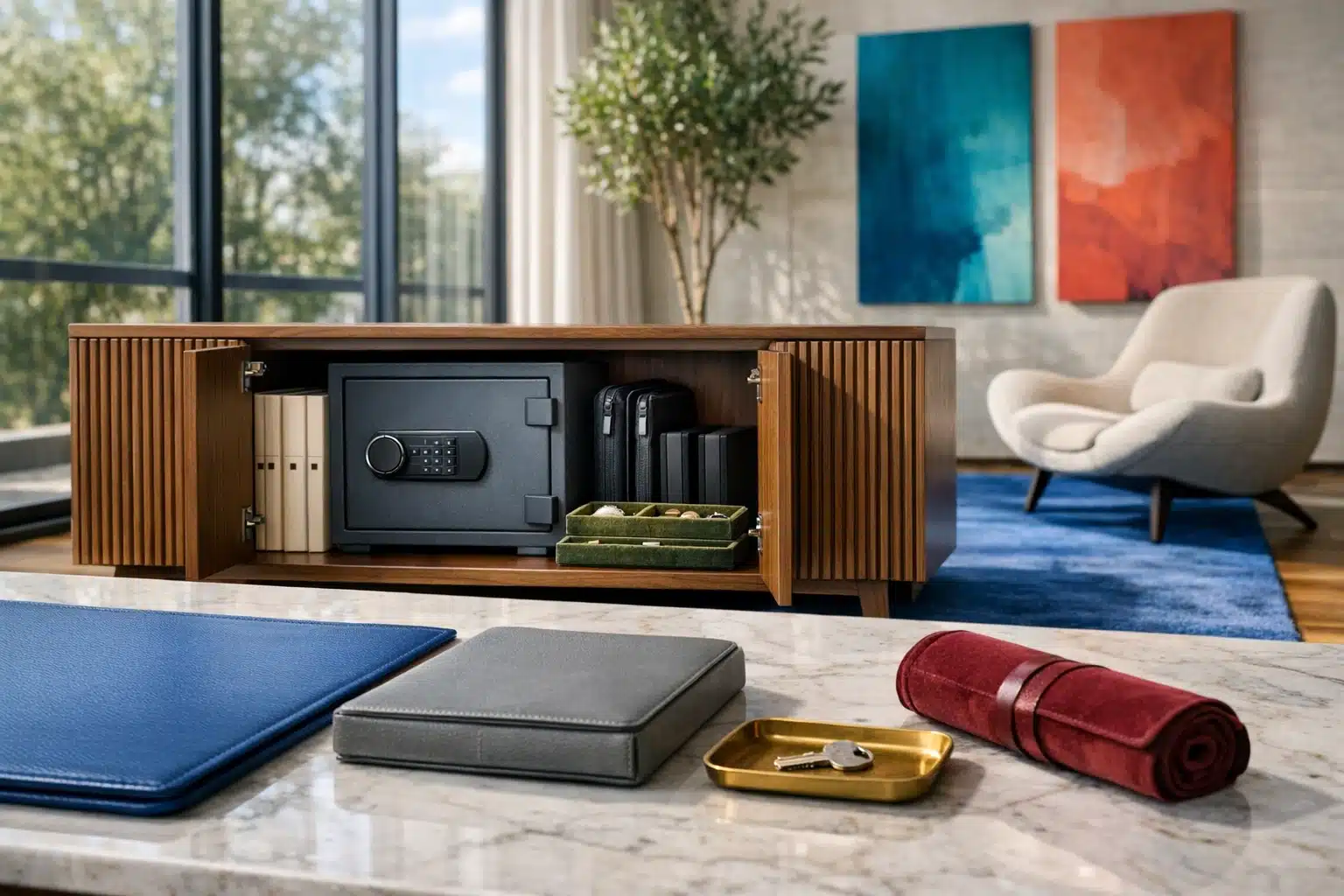
Where to Store Valuable Items Safely in 2026: Clever Home Hiding Spots and Secure Solutions
In 2026, protecting valuables is no longer just about hiding cash in a drawer or tucking papers into a closet. Fires, leaks, rushed moves, shared living spaces, and opportunistic theft can turn ordinary storage habits into expensive mistakes. A better plan blends durable containers, smart placement, and simple daily routines. Whether you own heirloom jewelry, backup documents, or limited-edition sneakers, the goal is the same: keep important items easy to find and hard to lose.
1. Article Outline and Why Safe Storage Matters More Than Ever
Before choosing a safe or clearing space in a closet, it helps to map the problem clearly. This article follows a practical outline that mirrors how people actually live with their belongings rather than how security brochures imagine they do. First, it explains why safe storage matters in a time of compact apartments, remote work, online shopping, and rising replacement costs. Next, it compares fireproof, waterproof, and lockable storage options so you can match protection to the item instead of buying one oversized solution for everything. Then it moves into layered protection inside the home, looks at off-site strategies, and finishes with everyday habits for shoes, jewelry, and documents.
That structure matters because valuables are not all vulnerable in the same way. A passport can be ruined by a burst pipe. A gold chain can disappear during a move. Premium sneakers can warp in damp heat long before anyone thinks of them as delicate. A family deed, a will, or an insurance policy may not be expensive to print, but losing it at the wrong moment can create weeks of stress. Safe storage is really about reducing friction when life becomes messy.
A useful way to begin is with a quick inventory. Write down what you own, where it is stored, and what kind of threat matters most. For many households, the list quickly shows that one method will not cover everything. A few examples make that obvious:
• Paper documents usually need heat resistance, moisture protection, and quick access.
• Jewelry often needs theft deterrence, scratch prevention, and discreet organization.
• Shoes need stable temperature, airflow, and protection from dust, crushing, and sunlight.
There is also a practical money angle. Replacing items after a loss is often harder than people expect because insurance claims usually go smoother when you have photos, receipts, serial numbers, or an updated household inventory. A safe storage plan is not just about preventing damage; it also helps prove ownership later. Think of it as quiet preparation, like carrying an umbrella on a day that looks suspiciously clear. You may never need the backup, but when the sky changes fast, you will be glad you built one.
2. Fireproof, Waterproof, and Lockable Options: What They Really Protect
The phrase fireproof safe sounds reassuring, but smart buyers look past the label. Most residential models are better understood as fire-resistant for a tested period rather than invincible under every condition. Many home safes are rated for 30 minutes, 60 minutes, or longer at specific temperatures. That matters because paper begins to char and fail at far lower temperatures than many people realize, and digital media such as USB drives, external hard drives, and memory cards can be even more sensitive. If you plan to store both paper and digital backups together, check whether the model is designed for media as well as documents.
Water protection deserves the same careful reading. Some safes are built to resist hose spray during firefighting, while others are tested for temporary submersion. That difference is huge if your biggest risk is a basement flood, a burst laundry line, or a home in a storm-prone area. A safe with a proper gasket and water rating can protect documents from a leak that would destroy a simple lockbox in minutes. At the same time, waterproof designs may trap humidity if items are stored damp, so using silica gel packs and keeping papers dry before sealing them away is still important.
Lock types add another layer of trade-offs:
• Key locks are simple, but keys can be lost, copied, or discovered.
• Mechanical combination locks do not rely on batteries, though they are slower to open.
• Electronic keypads are convenient and often allow quick code changes.
• Biometric locks offer fast access, but fingerprint sensors vary in reliability and should not be treated as flawless.
For most households, a balanced choice is a bolted-down safe with a verified fire rating, some water resistance, and a lock system the owner can actually use correctly under pressure. Bigger is not always better. A massive safe placed in the wrong room may be less useful than a modest one positioned wisely and used consistently. Bedrooms are common, but they are also obvious. Interior closets, low-visibility utility spaces, or a secured office area may be better choices depending on the home.
When comparing options, read independent testing notes, check interior dimensions rather than exterior size, and think about future needs. Documents lie flat, jewelry needs compartments, and backup drives should not be pressed against stacks of paper. A safe is less a steel box than a quiet agreement with your future self: when something chaotic happens, order will still be waiting behind the door.
3. Smarter Home Storage: Hidden Spots, Layered Security, and Daily Convenience
Home storage works best when it combines secrecy, physical security, and ease of use. Relying on only one of those usually creates a weak point. A beautifully hidden box that is easy to carry away is not very secure. A heavy safe placed in the most obvious bedroom closet may still attract attention during a burglary. A clever system should slow theft, reduce casual discovery, and fit naturally into everyday routines so items return to the right place instead of drifting around the house.
Layered storage starts by separating categories. Keep top-priority items such as passports, property papers, backup cash, heirloom jewelry, and data drives in a dedicated secure location. Mid-level valuables can go into lockable drawers, cabinets, or furniture with anchored hardware. Lower-risk items that still deserve care, such as collectible watches, spare keys, or sentimental letters, can be organized in labeled containers stored out of sight. This prevents the common mistake of treating every possession with the same method and overcrowding one space.
Placement matters more than many people expect. Experienced thieves often check master bedrooms first because dresser drawers, closets, and bedside tables are predictable. Better locations can include:
• A bolted safe inside a secondary closet with low visual traffic.
• A lockable cabinet integrated into a home office or utility room.
• A concealed compartment that supplements a real safe rather than replacing it.
As households become more connected, technology can help when used sensibly. Smart lockers and app-connected cabinets can log access events, send alerts, and support temporary codes for cleaners, relatives, or house sitters. These features are useful, but they should support common sense rather than substitute for it. Strong hinges, anchored installation, and offline backup access still matter. Explore smarter ways to store valuables — affordable safes, smart lockers, and organizational hacks designed to protect and simplify everyday life.
Organization is the final ingredient. Even a secure home setup fails when owners forget what is stored where. Use discreet labels, maintain a digital inventory, and photograph important items annually. Store purchase receipts or appraisal documents separately from the valuables themselves when possible. In creative terms, think of your home as a stage set: what visitors see should look ordinary, while the real script of protection runs behind the curtain. The best storage system rarely announces itself, yet it keeps working day after day with almost no drama.
4. Extra Protection Outside the Home: Travel, Work, Banking, and Backup Plans
Some valuables are better protected when at least one layer of storage exists beyond your front door. Off-site protection reduces the chance that a single event, such as fire, severe water damage, or burglary, wipes out everything at once. The most traditional option is a bank safe deposit box, which can make sense for irreplaceable papers, backup media, family records, or jewelry that is rarely worn. It is especially useful for items you do not need on short notice. However, access hours are limited, and banks generally do not insure the contents automatically, so owners should review coverage separately.
Another off-site strategy is trusted-distribution storage. That may sound formal, but the idea is simple: keep encrypted digital backups in the cloud, store a copy of essential documents with a trusted family member, and maintain photos of valuables in a secure account. This follows the logic behind the well-known 3-2-1 backup principle for important data: multiple copies, different media, one copy off-site. The goal is resilience, not complexity.
For people who move between home, office, gym, and travel destinations, portable security becomes part of the picture. A laptop bag with a lockable compartment, a slash-resistant travel pouch, or a small tetherable lockbox for hotel use can protect passports, jewelry, and emergency cash from casual theft. Still, it is wise to remember that hotel room safes vary in quality and are better for temporary protection than long-term trust. Cars are even less reliable. Leaving valuables in a vehicle, even briefly, exposes them to smash-and-grab theft and heat-related damage.
Workplaces and shared buildings introduce a different challenge: many people have legitimate reasons to be nearby. In those environments, smart lockers, keyed cabinets, and access-controlled mail rooms can help. The best options usually create accountability through logs, cameras in common areas, or restricted access times. If your employer provides lockers, avoid storing original identity documents or expensive heirloom pieces there unless the setup is genuinely secure and policy details are clear.
Finally, extra protection also means paperwork. Review renter’s or homeowner’s insurance, ask about riders for jewelry or collectibles, and keep records where you can reach them during a claim. A hidden necklace, an archived deed, or a secure backup drive may never become dramatic characters in your week. Yet if one bad day arrives, off-site planning often turns a full-blown disaster into an inconvenient story with a manageable ending.
5. Everyday Tips for Shoes, Jewelry, and Documents, Plus Final Takeaways for 2026
Daily storage habits are where good intentions either become a working system or collapse into clutter. Shoes, jewelry, and documents each need different care, and treating them all like generic valuables usually shortens their life. Shoes suffer from pressure, humidity, and sunlight. Jewelry is vulnerable to tangles, scratching, tarnish, and quiet disappearance. Documents hate heat, moisture, folding stress, and casual misplacement. A few repeatable routines can solve most of those problems without making your home feel like an archive.
For shoes, avoid stacking pairs in a way that crushes shape, especially for leather footwear and collectible sneakers. Clear drop-front boxes work well when you want visibility without dust, while breathable fabric bags are useful for delicate pairs that need gentler contact. Cedar shoe trees can help maintain form in dress shoes, and silica gel packets can reduce moisture inside storage bins. Attics and garages are usually poor choices because temperatures swing hard, adhesives can degrade, and mildew can creep in quietly. If a pair is valuable enough to insure or resell, keep the original box, receipt, and photos in a separate document file.
Jewelry benefits from separation more than most people think. Chains should hang or lie flat in divided compartments to prevent knots. Silver pieces can be stored with anti-tarnish strips. Softer stones and metals should not rub against harder materials, so individual pouches are a better choice than one crowded tray. For high-value items, a small interior jewelry box placed inside a safe adds both organization and scratch protection. It also speeds up retrieval, which matters because people are more likely to use a system that does not feel annoying.
Documents need calm, dry order. Use acid-free folders for long-term records, keep originals flat, and place the most critical papers in a fire-resistant container or sealed document pouch inside a safe. Scan passports, deeds, wills, insurance records, and receipts, then store encrypted copies in a secure cloud service. A simple annual review helps remove expired papers and update the ones that matter. Aim for steady room conditions when possible; many paper and leather items age better in moderate humidity than in damp corners or overheated spaces.
The audience most likely to benefit from these steps is not only collectors or high-net-worth households. Renters, families, students, remote workers, and frequent travelers all own things that become deeply important the moment they are threatened. The smartest approach in 2026 is not extreme or flashy. It is deliberate, layered, and easy enough to maintain on an ordinary Tuesday. Build a system that matches how you live, and your valuables will spend far less time at risk and far more time exactly where they belong.