 Artificially generated image
 3-Night All-Inclusive Edinburgh City Break: What Makes This Worth It?
Edinburgh has become a favourite choice for travellers who want a short break that feels rich rather than rushed. In just three nights, visitors can move from medieval closes to elegant Georgian streets, sample local food, and settle into hotels designed for easy comfort. That mix of history, walkability, and compact sightseeing makes city break packages especially relevant for busy couples, solo explorers, and friends planning a quick escape. Understanding what these packages usually include helps travellers compare value, avoid hidden gaps, and choose a stay that matches how they actually like to travel.
Outline and What Is Usually Included in an Edinburgh City Break Package
Before looking at castles, cobbled streets, or hotel pillows that promise a better night’s sleep, it helps to map out the structure of a typical Edinburgh city break. Most package providers build short stays around simplicity. The goal is not to fill every hour but to remove enough planning friction that travellers can enjoy the city soon after arrival. For a three-night package, that often means accommodation, selected meals, and one or two easy-to-understand extras rather than a long list of premium add-ons.
- A central or well-connected hotel stay for three nights
- Breakfast included, usually on all mornings
- Return travel if booked as a rail or flight package
- Optional attraction entry, bus tour tickets, or dining credit
- Basic booking support and clear cancellation terms
One point often surprises first-time bookers: the phrase all-inclusive in a city setting rarely matches the resort model. In Edinburgh, it usually means a bundled rate that covers the core elements of the trip instead of unlimited meals and drinks. Some packages include dinner on one evening, a welcome drink, or a sightseeing pass, while others focus on transport plus hotel only. This distinction matters because two offers with the same headline can provide very different practical value.
Location is usually one of the strongest selling points. A hotel near Waverley Station, the Royal Mile, Grassmarket, or Princes Street can save money on taxis and spare visitors the stop-start feeling that comes with longer urban commutes. Many travellers only have two full sightseeing days, so proximity becomes part of the package value even when it is not listed as a separate feature. A slightly smaller room in a more central neighbourhood may work better than a larger one on the edge of the city if the aim is to see more on foot.
It is also worth checking what is not included. Airport transfers are sometimes excluded. Local tourist taxes, where applicable through changing local rules, may be separate. Lunch is often left open, which suits visitors who want freedom to try cafés, bakeries, or a pub lunch without feeling tied to a schedule. In other words, the most useful package is rarely the one with the longest sales description. It is the one that matches how you intend to use your short stay: easy arrival, comfortable base, and enough included features to make the trip smoother rather than more complicated.
Historic Attractions That Give Edinburgh Its Distinctive Character
Edinburgh’s strongest appeal lies in how concentrated its history feels. In many cities, heritage sites are scattered so widely that visitors spend more time travelling between them than absorbing what they came to see. Edinburgh is different. Much of the historic core can be explored on foot, and that changes the rhythm of a short break. A morning can begin with skyline views from the castle, drift through the Royal Mile by midday, and end near Holyrood with a sense that several centuries have been crossed in a single day.
Edinburgh Castle remains the anchor attraction for many travellers, and for understandable reasons. Perched high on Castle Rock, it combines military history, royal symbolism, panoramic views, and museum spaces in one visit. Travellers often come for the famous silhouette and stay longer than expected because the site contains more than one headline feature. The Crown Jewels, the Stone of Destiny, St Margaret’s Chapel, and the old artillery displays give the visit depth rather than postcard value alone. Timed entry has also made planning easier, especially in busier months when demand peaks.
The Royal Mile offers a different kind of historic encounter. Instead of a single site, it provides a corridor of layered experience. Here, visitors pass closes, courtyards, stone facades, and historic buildings that feel almost theatrical in changing light. St Giles’ Cathedral adds spiritual and architectural interest, while the surrounding lanes reveal how Edinburgh grew vertically and defensively within limited space. That urban texture is part of the attraction. Travellers are not only seeing monuments; they are moving through the shape of an older city.
- Edinburgh Castle for military and royal history
- St Giles’ Cathedral for architecture and civic heritage
- The Palace of Holyroodhouse for monarchy and state history
- The National Museum of Scotland for broader historical context
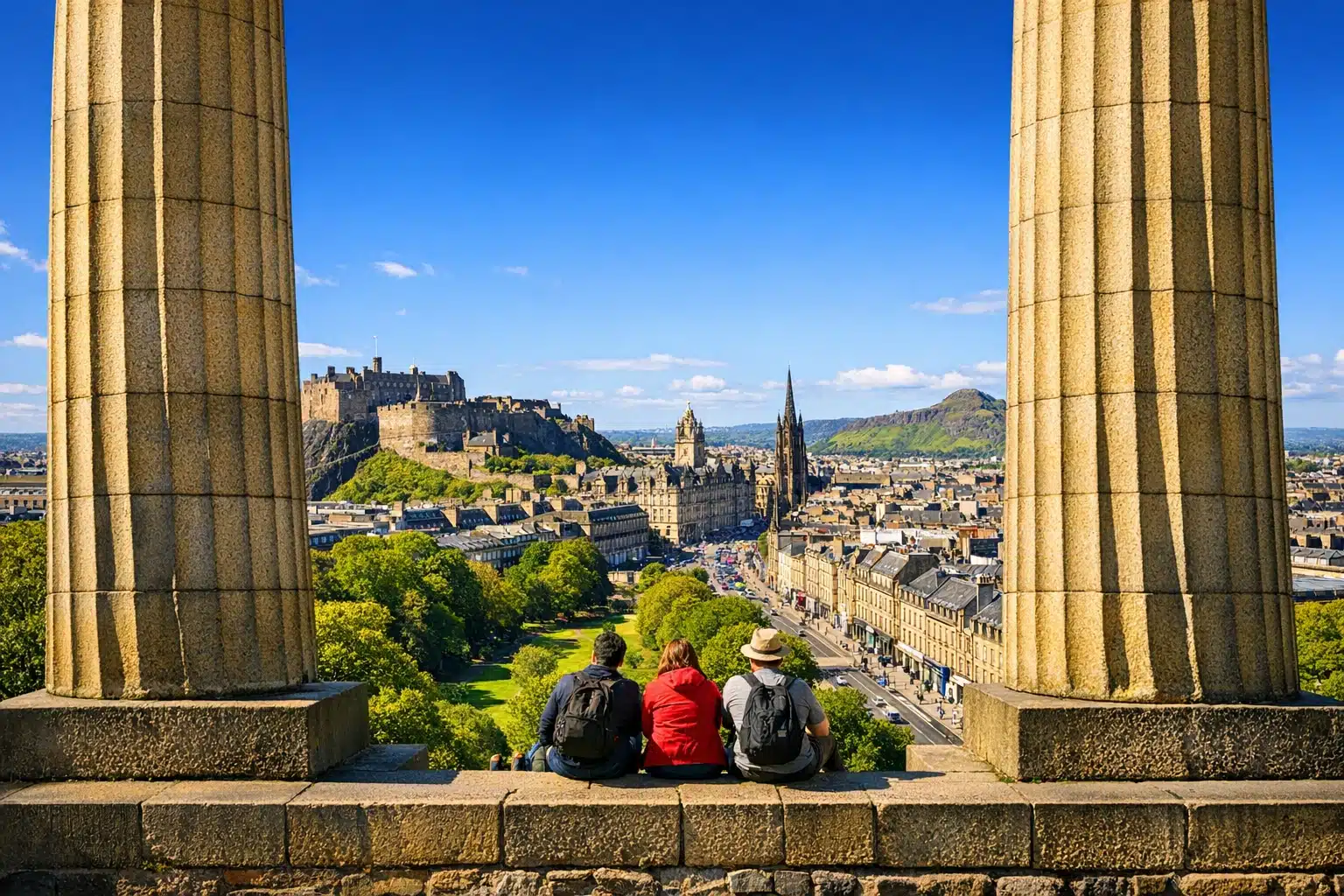
- Calton Hill for views that connect geography with the city story
The Palace of Holyroodhouse adds another dimension by linking visitors with official royal history at the foot of the Royal Mile. For those interested in political drama, ceremonial tradition, and the long tension between private life and public duty, it offers a more intimate counterpoint to the castle’s defensive grandeur. Nearby, the Scottish Parliament introduces a modern layer to the cityscape, reminding visitors that Edinburgh is not a frozen museum but a capital where old narratives continue to meet present institutions.
What makes these attractions especially suitable for a short break is their ability to work together. Each site explains part of the next. The castle frames the skyline, the Royal Mile ties the route together, and Holyrood completes the descent through power, religion, commerce, and daily life. Even travellers who arrive with only a general interest in history often leave with a stronger sense of how the city’s identity was formed.
Beyond Landmarks: Historic Experiences Travellers Actually Remember
Major attractions matter, but memory often attaches itself to experiences that feel less formal. Edinburgh understands this well. The city does not present history only through glass cases and information boards; it also stages it through atmosphere, storytelling, and streets that still seem to carry old habits in their stonework. For travellers on a three-night break, these more immersive experiences can be the difference between simply visiting and genuinely connecting with the place.
One of the most talked-about examples is the network of underground spaces and preserved streets explored through guided tours such as The Real Mary King’s Close. These visits work because they reveal how layered the city became over time. Rather than standing outside a building and reading a plaque, visitors move through enclosed passages that suggest how cramped, busy, and socially divided urban life once was. The effect is stronger than a textbook summary. A guide’s voice, dim passageways, and fragments of daily routine do much of the interpretive work.
Walking tours also play a large role in Edinburgh’s short-stay appeal. Some focus on literature, tracing the paths of writers connected with the city. Others centre on medicine, crime, architecture, or the social history of the Old Town. Their value lies in scale. A city break does not always allow time for long museum visits, but a ninety-minute walk can link several neighbourhoods and provide a narrative that makes later independent wandering more meaningful. Suddenly a narrow lane is not just photogenic; it becomes part of a story.
Then there is the transition from Old Town to New Town, one of Edinburgh’s quiet masterpieces. The shift from medieval irregularity to Georgian order gives travellers a visible lesson in urban planning and social ambition. In the Old Town, space tightens and views rise unexpectedly between tall stone buildings. In the New Town, broad streets, terraces, and squares signal confidence, commerce, and a new civic image. This contrast is one reason Edinburgh feels richer than its compact footprint suggests.
- Guided close and vault tours for immersive social history
- Literary walks that connect books, biographies, and streets
- Old Town to New Town walks for architectural contrast
- Evening ghost or folklore tours for atmosphere and storytelling
Evening experiences deserve attention too. Edinburgh after dark changes tone without losing its accessibility. The light softens on the stone, closes feel more secretive, and the city leans into its talent for storytelling. Whether visitors choose a folklore walk, a ghost-themed tour, or simply a slow stroll near the Grassmarket, the city often feels at its most dramatic when daylight fades. That theatrical quality is not a gimmick. It grows from centuries of legend, political conflict, and compressed urban life. For many travellers, these lived moments become the true highlight of the trip, because they combine history with mood in a way only certain cities can manage.
Hotel Comfort: What Matters Most on a Short Stay
On a longer holiday, travellers can forgive a few small inconveniences because there is time to settle in and recover. On a three-night city break, comfort becomes more important precisely because the schedule is tighter. A hotel is not only a place to sleep; it acts as a base camp, weather shelter, breakfast stop, luggage hub, and quiet pause between busy walks. When people say a short break felt easy or stressful, the hotel often explains more than they first realise.
Bed quality and room noise are usually at the top of the comfort list. Edinburgh’s centre includes lively areas where bars, late-night foot traffic, and festival activity can add energy outside and unwanted sound inside. A room facing a quieter lane or an upper floor with proper sound insulation can noticeably improve the stay. Heating, water pressure, blackout curtains, and air circulation matter too, especially in older buildings where charm sometimes arrives with practical compromises.
Breakfast is another feature that punches above its weight. When travellers have only a limited number of mornings in the city, a reliable breakfast can save both money and planning time. A buffet with hot and cold options suits guests who want to start early for the castle, while a smaller made-to-order service may appeal to those prioritising atmosphere over speed. Either way, included breakfast frequently adds more real value than minor decorative extras in the room.
Different accommodation styles suit different travel patterns. Boutique hotels often offer character, design, and a stronger sense of place, especially in historic buildings. Chain hotels usually provide consistency, loyalty points, and predictable standards for bedding, lifts, and check-in procedures. Aparthotels can work well for friends, families, or travellers who want more space and the ability to prepare simple meals. None of these formats is universally better. The right choice depends on whether the trip is built around romance, efficiency, budget control, or flexibility.
- Central location within walking distance of major sights
- Soundproofing and dependable sleep quality
- Breakfast that fits an active sightseeing schedule
- Luggage storage for early arrival or late departure
- Fast check-in, strong Wi-Fi, and clear service standards
Accessibility deserves mention as well. Edinburgh’s beauty includes steep streets, steps, and older properties that may not suit every traveller equally. Guests with mobility concerns should check lift access, entrance design, bathroom layout, and the gradient of nearby streets before booking. This is not a minor detail hidden beneath style photography; it shapes how enjoyable the entire break will be.
Ultimately, hotel comfort on a short stay is about reducing friction. A good room does not need to be extravagant. It needs to support the way people move through the city: out early, back for a rest, out again for dinner, and then asleep without interruption. When that works, the package feels more worthwhile because the city remains the focus rather than the logistics.
Short-Stay Travel Trends and What Makes a Three-Night Edinburgh Break Worth It
Short urban holidays have changed noticeably over the past few years. Travellers are often balancing limited annual leave, tighter spending decisions, and a stronger preference for experiences that feel manageable from start to finish. Edinburgh fits this mood well because it offers density without chaos. A visitor can arrive on Friday, settle in quickly, cover major sights over the weekend, and still leave on Monday feeling they actually experienced the place instead of rushing through a checklist.
One clear trend is the rise of value-focused booking rather than purely price-led booking. Travellers still compare deals carefully, but many now look beyond the cheapest headline number. They ask whether the hotel is central, whether breakfast is included, whether cancellation terms are flexible, and whether a rail-inclusive offer may be less stressful than a flight with multiple extras. This is especially relevant in a city where location and walkability can meaningfully shape both cost and enjoyment.
Another trend is the popularity of shoulder-season breaks. Spring and autumn often offer a smart balance of atmosphere, daylight, and crowd levels. Summer remains busy and vibrant, particularly during festival season, yet some visitors now prefer quieter dates when attraction queues are shorter and hotel rates may be more forgiving. Winter travel also has its appeal, especially for festive markets and dramatic weather, though daylight hours are shorter and conditions can shift quickly.
Explore Edinburgh city break trends with insights on hotel stays, local attractions, comfort features, and short getaway experiences.
That sentence captures the current logic behind many bookings: travellers want a compact break with practical ease and memorable substance. They are not necessarily searching for excess. They want a clear structure, a good bed, local character, and enough time to enjoy the city without feeling overscheduled. Technology has reinforced this preference. Mobile tickets, digital maps, timed-entry bookings, and instant restaurant reservations make it easier to organise a trip efficiently, but they also raise expectations. Friction now stands out more sharply when it appears.
- Flexible booking terms are valued more than before
- Central hotels often beat larger rooms in distant districts
- Bundled transport can simplify the budget
- Travellers increasingly favour quality over packed itineraries
So, what makes a three-night all-inclusive Edinburgh city break worth it? For most travellers, the answer is balance. The best package combines location, comfort, and enough included elements to simplify decisions without taking away freedom. If you are a couple looking for a polished weekend, a solo traveller seeking an easy cultural escape, or friends planning a quick change of scene, Edinburgh rewards thoughtful planning. Choose a package that supports how you like to travel, and the city will do the rest with remarkable ease.