 Artificially generated image
 Understanding Women’s Lingerie Trends in the United States for 2026
In 2026, lingerie in the United States is being shaped less by rigid fashion rules and more by how women actually live, work, layer, and relax. Comfort now shares center stage with style, as breathable fabrics, softer support systems, and high-waisted silhouettes answer the needs of long office days, casual weekends, and fitted outerwear. That shift matters because intimate apparel affects confidence, mobility, and fit long before the rest of an outfit is even noticed.
This guide begins with a brief outline and then moves through the details that matter most for shoppers, stylists, and curious readers alike. It focuses on fabric choices, bra construction, high-waisted silhouettes, color directions, and practical ways to choose pieces that feel relevant without becoming short-lived trend purchases.
Outline
- Comfortable lingerie fabrics expected to matter most in 2026.
- Key differences between wireless bras and traditional underwire bras.
- Why high-waisted lingerie remains important in modern fashion.
- How color, texture, and everyday styling are influencing new collections.
- What these trends mean for women shopping in the United States.
Comfortable Lingerie Fabrics to Explore in 2026
Fabric is often the hidden author of a lingerie experience. Before a shopper notices lace placement, strap shape, or color, she feels temperature, stretch, softness, and friction. That is why fabric innovation will remain one of the most important parts of lingerie design in 2026. In the United States, demand continues to favor pieces that work across long schedules: garments that can disappear under a T-shirt in the morning, stay breathable during commutes, and still feel easy by evening. Comfort is no longer a bonus feature; it is the baseline expectation.
Several materials stand out for 2026. Modal and lyocell blends are likely to remain popular because they are known for a smooth hand feel, good drape, and a lighter touch against the skin than many stiff synthetics. Cotton still matters, especially in gussets and everyday briefs, because it is familiar, breathable, and widely trusted. Microfiber remains a strong performer for seamless bras and panties because it can be finely knitted, lightweight, and less visible under fitted clothing. Recycled polyamide and updated nylon blends are also appearing more often as brands try to balance softness, durability, and sustainability goals.
Performance details matter more than the fiber name alone. A label may sound appealing, but shoppers usually benefit from checking how the fabric behaves in actual use. Important features include:
- Breathability for warm weather and long wear
- Stretch recovery so the piece does not lose shape quickly
- Low-bulk seams that reduce visible lines under clothing
- Soft finishing that minimizes rubbing at the band and leg openings
- Moisture management for active or humid days
Seamless knitting and bonded edges are also shaping the category. These techniques can reduce pressure points and help lingerie sit flatter under dresses, knit tops, and tailored pants. Meanwhile, mesh panels are being used more strategically, not only for looks but also for ventilation. A modern brief may combine cotton where softness counts, microfiber where smoothness helps, and elastane where recovery matters. That kind of hybrid construction reflects how technical lingerie has become.
Explore women’s lingerie trends for 2026, including comfortable fabrics, modern styles, playful colors and everyday options.
There is also a growing awareness that “soft” does not automatically mean “supportive,” and “natural” does not always mean “better.” For instance, pure cotton can feel cozy but may not offer the stretch memory needed for a molded bra. A microfiber blend may sound less romantic, yet it can outperform other materials under clingy clothing. In other words, the future of comfort is not about one miracle textile. It is about better combinations, smarter finishes, and fabrics chosen for real-life wear rather than showroom appeal alone.
Wireless vs. Traditional Bras: Features to Consider
The old debate between wireless and traditional bras is finally becoming more useful, because it is shifting away from ideology and toward function. For years, underwire bras were associated with structure, shaping, and formality, while wireless styles were seen as casual or less supportive. In 2026, that line is much less rigid. Advances in knit technology, molded cups, inner slings, wider bands, and strategic seaming have made many wireless bras more supportive than earlier versions. At the same time, traditional bras have become more refined, with softer casings, lighter wires, and better fit options.
A good comparison starts with what each style is designed to do. Underwire bras use a semi-rigid wire beneath the cup to help lift, separate, and define shape. They are often helpful under structured clothing, wrap dresses, fitted blouses, or garments that benefit from a more projected silhouette. Wireless bras rely on other elements to create support, such as a firm band, wide underbust elastic, compression, molded foam, or inner cup engineering. They can feel gentler through the ribcage and are often preferred for lounging, travel, hybrid workdays, and low-to-moderate activity.
When choosing between them, several features deserve close attention:
- Band fit: most support comes from the band, not only from the wire
- Cup design: molded, seamed, and unlined cups each behave differently
- Strap width and adjustability: these affect pressure distribution
- Side support: inner slings or side panels can improve containment
- Closure options: front-close, back-close, and pull-on styles offer different ease
- Fabric recovery: strong stretch can support better than flimsy softness
One common misconception is that wireless means universally more comfortable. In practice, a poorly fitted wireless bra can ride up, flatten the bust more than desired, or shift during the day. Likewise, a well-fitted underwire bra should not pinch or stab. If the wire sits on breast tissue, the size or shape is probably wrong. Fit issues are often caused by cup depth, band tension, or strap imbalance rather than by the presence of a wire alone.
There is also a lifestyle angle. A wireless bra can feel like a quiet assistant, present but not demanding attention. A traditional bra can act more like tailoring beneath clothing, shaping the overall line of an outfit. Neither is inherently better for everyone. The more practical question is which features match the clothes being worn, the level of support desired, and how long the bra needs to stay comfortable. In 2026, the smartest approach is not choosing a side forever. It is building a small rotation that acknowledges different bodies, fabrics, and days.
High-Waisted Lingerie Styles and Modern Fashion Trends
High-waisted lingerie has moved far beyond nostalgia. Although the style often carries vintage associations, its modern relevance comes from versatility. In 2026, high-waisted briefs, shaping shorts, retro-cut bikinis, and sculpted thongs are being used not only for aesthetics but also for fit management under contemporary clothing. High-rise trousers, knit dresses, bias-cut skirts, and tailored separates all interact differently with underwear than the low-rise denim era once did. That shift has made higher waistlines practical as well as fashionable.
One reason these styles remain popular is their relationship with outerwear. High-waisted briefs can smooth the line beneath wide-leg pants or a slip skirt without the bulk of heavy shapewear. Light control versions may offer gentle containment around the lower abdomen, while non-compression styles provide coverage without trying to reshape the body. This distinction matters. Many shoppers want a clean silhouette but do not want the restrictive sensation once associated with aggressive shapewear. Brands have noticed, and more collections now separate “supportive” from “squeezing.”
There are several modern interpretations of the high-waisted category:
- Classic full briefs with soft waistbands for everyday wear
- High-leg cuts that lengthen the visual line of the leg
- Shaping shorts designed for skirts, dresses, and anti-chafe comfort
- Lace-front or mesh-panel styles that blend coverage with lighter texture
- High-waisted thongs that reduce visible lines while keeping the rise elevated
Fashion trends are also helping. The renewed interest in 1990s minimalism and refined vintage references has created space for lingerie that looks intentional rather than purely hidden. A matching high-waisted brief and soft-cup bra set can feel polished even when no one else sees it. There is a psychological value in that. Dressing well often begins with the layer closest to the skin, and many women respond to lingerie that feels composed rather than overly ornamental.
Another important factor is size inclusivity. High-waisted designs frequently translate well across a broad range of bodies because they offer more surface area, more opportunities for seam placement, and greater flexibility in balancing stretch with stability. That does not mean every high-rise style suits every person, but it does explain why the category has endured. In a market that increasingly recognizes diverse fit needs, higher-waisted silhouettes can be adjusted to create comfort, softness, shaping, or visual drama. Their staying power comes from this adaptability. They are not a passing costume piece. They are a useful response to how modern wardrobes are actually built.
Playful Colors, Modern Details, and Everyday Styling in 2026
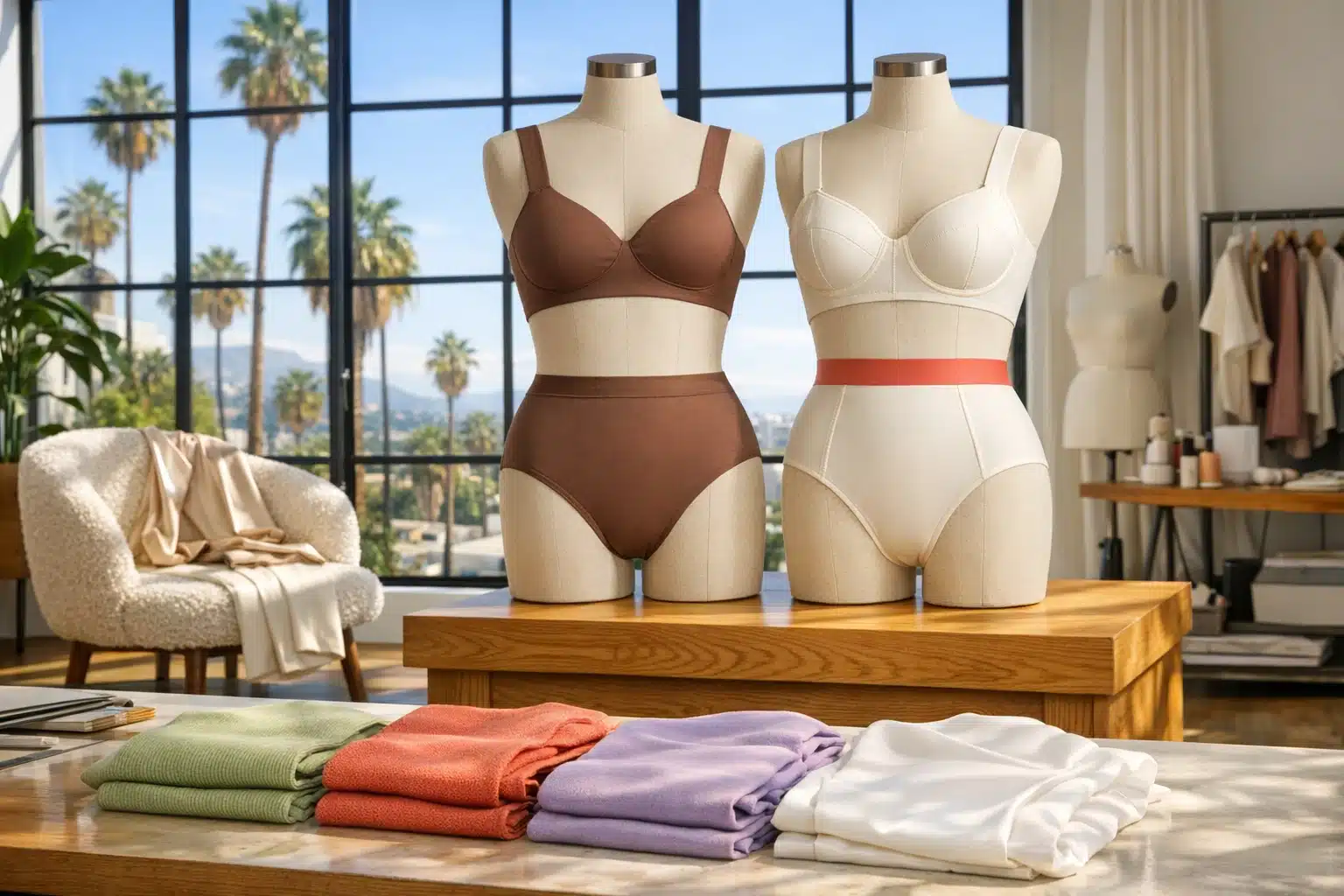
While comfort and fit dominate conversations, color and styling details are giving 2026 lingerie collections much of their personality. In the United States, the trend is not simply toward brighter palettes or bolder lace. Instead, the most interesting direction is balance: pieces that look expressive without becoming impractical. A bra in muted pistachio, cocoa brown, soft lilac, or dusty coral can feel fresher than basic beige, yet still remain wearable under many clothes. Meanwhile, true everyday essentials are expanding beyond the old black-white-nude triangle.
Skin-tone variety is especially important. More brands are recognizing that “nude” is not one color, and that broader shade ranges improve both inclusivity and styling options. This matters under lightweight blouses, office shirts, and occasion dresses where undertones can affect visibility. Alongside these pragmatic shades, playful colors are often appearing in small doses: contrast elastic, embroidered edges, tonal mesh, satin trim, or geometric lace. The result is less theatrical than earlier trend cycles and better suited to daily use.
Modern styling is also influenced by clothing trends outside the lingerie drawer. Sheer layers, oversized shirting, soft tailoring, and fitted rib knits all change what shoppers need underneath. That is why 2026 collections are leaning into adaptable pieces. A smooth balconette may be chosen for square-neck tops, a plunge bra for wrap dresses, and a longline wireless bralette for open-collar shirts or relaxed layering. Bodysuits and camisoles continue to blur the boundary between underwear and ready-to-wear, especially when paired with blazers or cardigans.
Useful design details to watch include:
- Convertible straps for different necklines
- Bonded hems for cleaner lines under thin fabrics
- Light mesh inserts that improve ventilation
- Minimal lace placement that reduces bulk
- Matching sets that mix comfort pieces with more decorative items
There is a subtle creative shift happening as well. Lingerie is becoming less about performance for an imagined audience and more about private satisfaction. A well-cut brief in a lively color can brighten an ordinary Tuesday in a way that feels small but real. A wireless set with elegant trim can make casual clothes seem more deliberate. These are not dramatic transformations; they are quiet upgrades.
That may be the most telling feature of 2026 trends. They invite women to choose intimate apparel that fits the rhythm of actual life, from commuting and meetings to dinner out and travel. Style is still present, but it no longer needs discomfort to prove itself. The best everyday options are thoughtful, well-made, and slightly expressive, like a secret note folded neatly inside the outfit.
What These Trends Mean for Shoppers in the United States
For women shopping lingerie in 2026, the biggest takeaway is simple: the market is offering more choice, but better outcomes still depend on knowing what to prioritize. Trends can be useful, yet intimate apparel works best when trend awareness meets practical decision-making. Comfortable fabrics matter, but so do seam placement, band tension, care instructions, and how a piece behaves after repeated washing. Wireless bras may be appealing, but their success depends on cup engineering and support features. High-waisted styles can look modern, though the right rise varies with body proportions and wardrobe needs. In other words, fashion direction is only the starting point.
A helpful approach is to shop by function first and mood second. Think about when the piece will be worn. Is it for long office hours, weekend errands, a special dress, warm summer days, or frequent travel? Once the use is clear, fabric and construction decisions become easier. A seamless microfiber brief may outperform a decorative lace option under trousers, while a soft modal bralette may be ideal for lounging but not for structured eveningwear. The goal is not to build a huge collection. It is to assemble a small group of reliable pieces that each solve a distinct problem.
Before buying, shoppers can ask themselves a few useful questions:
- Does the fabric suit my climate, skin sensitivity, and daily activity?
- Will this show under the clothes I actually wear most often?
- Does the band stay level and secure through movement?
- Am I choosing this for support, smoothing, coverage, or visual appeal?
- Can this piece work across more than one outfit category?
Price also deserves a balanced view. Higher cost does not guarantee better comfort, and the cheapest option can wear out quickly if the elastic loses recovery. Value often comes from durability, fit consistency, and versatility rather than branding alone. Reading size charts carefully, checking fabric composition, and understanding return policies can prevent frustration, especially when shopping online.
For the target audience in the United States, these trends point toward a more realistic and less prescriptive lingerie culture. Women no longer need to choose between looking polished and feeling comfortable. The strongest 2026 options are those that combine softness, support, and modern design in ways that suit real wardrobes. If a piece helps clothing fit better, feels good after hours of wear, and reflects personal taste without demanding constant adjustment, it is doing its job well. That is the trend worth paying attention to.