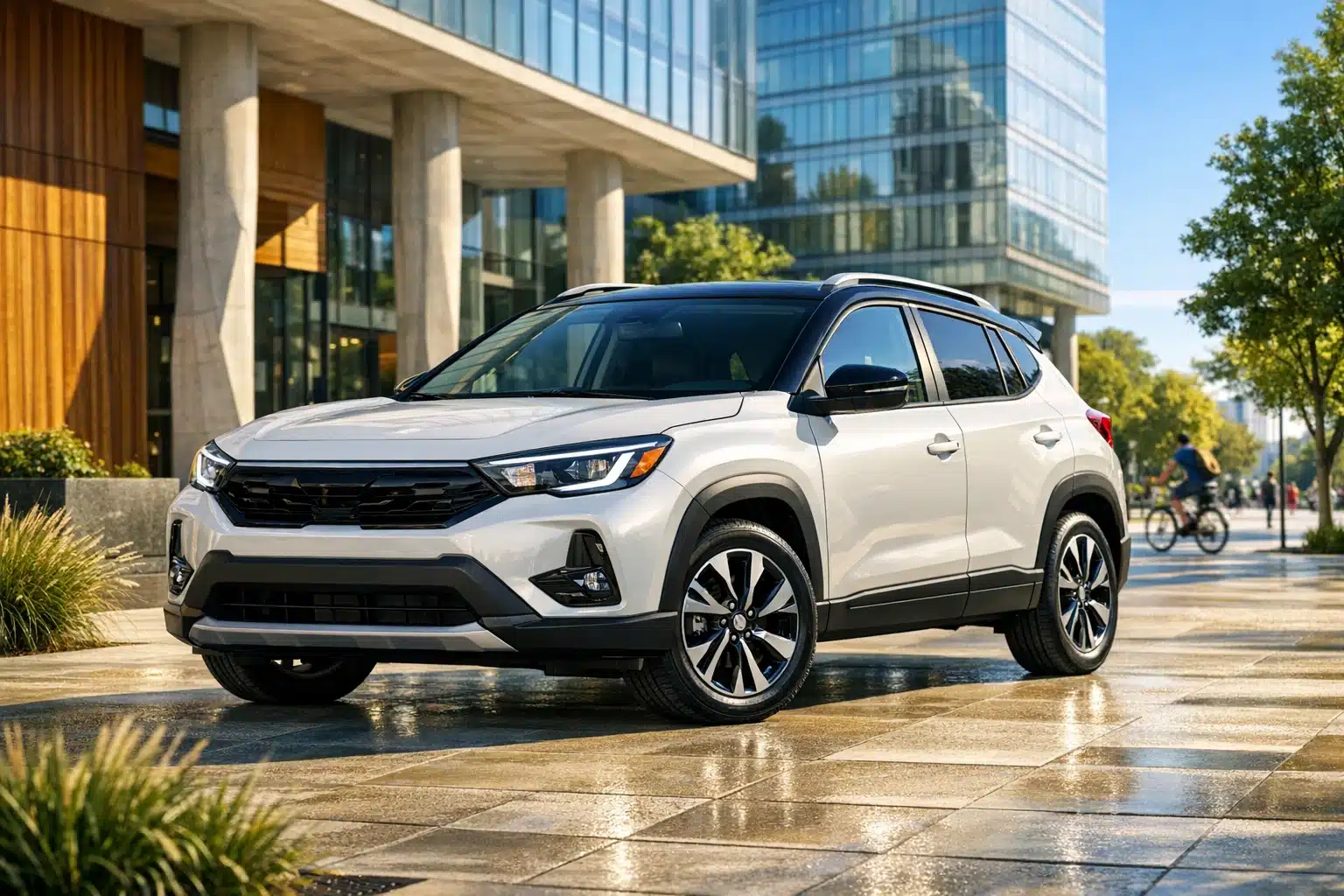
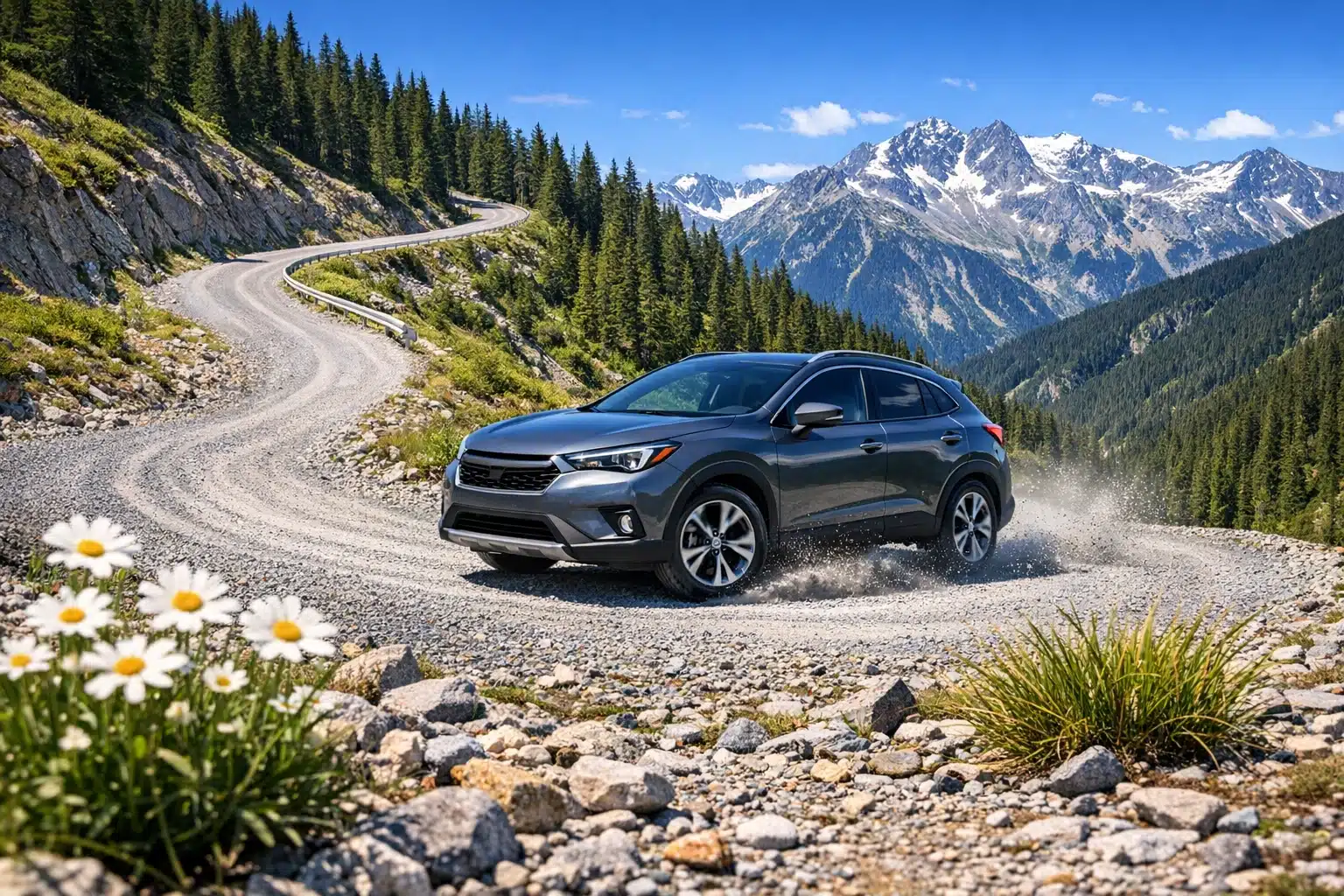
 Artificially generated image
 Benefits of Compact 4×4— Efficiency, maneuverability & rugged capability
Small 4×4 vehicles sit at the meeting point of daily practicality and real all-weather confidence. They squeeze through city streets, use less fuel than larger off-road machines, and still deliver extra traction when rough lanes, winter commutes, or wet campsites demand it. That balance matters now because many drivers want one car that can manage weekday errands, holiday miles, and the occasional muddy shortcut without feeling oversized or costly.
Outline:
- How compact 4×4 layouts divide torque and why size affects capability.
- What mud and gravel reveal about tires, weight, momentum, and wheel control.
- How snow driving, safe climbing, and controlled descents depend on technique as much as hardware.
- Where crossovers, mini‑SUVs, and lightweight off‑roaders differ in design, comfort, and trail use.
- How buyers can match a smaller four-wheel-drive vehicle to commuting, family travel, and weekend exploration.
1. Why compact 4×4 systems matter in the real world
The appeal of a compact 4×4 is not built on fantasy. Most owners are not crossing deserts or climbing boulder fields before breakfast. They are driving to work in heavy rain, threading through narrow parking spaces, tackling broken rural roads, and dealing with the kind of slippery surfaces that punish a simple two-wheel-drive layout. That is exactly where a small four-wheel-drive system earns its keep. It adds confidence without demanding the weight, fuel use, and footprint of a full-size off-road truck.
Under the skin, these systems vary more than the badge on the tailgate might suggest. Some use an on-demand arrangement that drives the front wheels most of the time and sends torque rearward when slip is detected. Others maintain a more active split through a center coupling or a center differential. A few compact off-road-focused models still offer low-range gearing, but that is now the exception rather than the rule. Most modern designs rely on a mix of mechanical grip and software that brakes a spinning wheel, shuffles torque, and steadies the car before the driver feels the full drama.
Size itself is part of the formula. A lighter vehicle needs less energy to climb, stop, and change direction. A shorter wheelbase can help on tight trails and steep breakovers, while a narrower body is often easier to place on rutted lanes. None of that means every small 4×4 is automatically tough. Tires, ground clearance, approach and departure angles, underbody protection, and suspension travel still decide whether a vehicle feels merely secure or genuinely useful away from smooth pavement.
Explore compact 4×4 driving solutions — affordable, efficient systems designed for off‑road capability, urban maneuverability, and everyday reliabilit.
- Urban advantage: easier parking, lighter steering, and better visibility in tight spaces.
- Efficiency advantage: lower mass usually means lower fuel consumption than large body-on-frame SUVs.
- Capability advantage: extra driven wheels improve pull on wet grass, gravel, snow, and shallow mud.
- Cost advantage: smaller tires, lighter components, and simpler layouts can reduce ownership costs.
Think of the compact 4×4 as a multitool rather than a sledgehammer. It is not designed to dominate every obstacle, but to handle a broad range of ordinary and occasionally difficult situations with less compromise. For many drivers, that versatility is more valuable than extreme ability that is rarely used.
2. How compact 4×4 systems manage mud and gravel
Mud and gravel may both qualify as loose surfaces, yet they challenge a vehicle in different ways. Mud wants to slow the car, pack the tread, and turn forward motion into wheelspin. Gravel does something subtler. It shifts under the tires, steals sharp steering responses, and changes grip from one patch to the next. A well-set-up compact 4×4 handles both by combining measured torque delivery, manageable weight, and a chassis that does not overwhelm the contact patch.
In mud, the first battle is keeping the tires clear enough to bite. Deep, sticky clay can fill shallow road-oriented tread quickly, which is why tire pattern matters more than marketing copy. A compact crossover on highway-biased tires may have four driven wheels and still struggle once the grooves clog. By contrast, an all-terrain tire with wider voids can throw mud clear and keep finding edges. Because many small 4x4s use electronic couplings rather than locking differentials, smooth throttle use is essential. Sudden acceleration can spin the first axle before the system fully transfers torque, while a calmer input gives the electronics time to react and lets the tires work.
Gravel often rewards finesse over force. A lighter vehicle tends to ride on the surface rather than dig into it, which helps stability when the road crowns, bends, or scatters loose stones over a hard base. Steering should be deliberate, not nervous. Overcorrecting invites a slide, especially in short-wheelbase vehicles that respond quickly. Braking distances also increase because the tires may skim over shifting material before they bite through to something firmer.
- For mud, maintain gentle momentum rather than high speed.
- For gravel, slow down early and avoid abrupt steering corrections.
- Use the most suitable drive mode if the vehicle offers terrain settings.
- Remember that tires often change outcomes more than a badge or brochure ever will.
Traction control plays an interesting role here. In older systems, wheelspin could sap progress until the driver backed off. Newer brake-based programs can clamp a spinning wheel and redirect torque to the side with grip. That can feel almost magical when one wheel is dangling in a rut or when a diagonal pair unloads over uneven ground. Still, electronics cannot create traction from nowhere. A muddy lane with road tires remains a muddy lane with road tires.
Picture a farm track after a week of rain. The surface shines, the ruts deepen, and the hedges close in. A compact 4×4 does not need drama to get through it. It needs enough clearance, sensible tires, steady hands, and the discipline to let traction build one rotation at a time.
3. Snow, safe climbing, descending, and the logic of traction control
Snow reveals the strengths and weaknesses of any driveline with unusual honesty. A four-wheel-drive system can help a vehicle move off more cleanly, hold a line more confidently, and climb an icy incline with less wheelspin than a two-wheel-drive alternative. What it cannot do is suspend the laws of grip. Many winter mishaps begin with a false sense of security: the car launches strongly, so the driver assumes it will stop and turn with the same authority. It will not. Tires, temperature, road texture, and driver restraint still govern the result.
Start with the most important truth in cold weather: tires matter at least as much as the drive system. A compact crossover on proper winter tires is usually safer than a more rugged 4×4 on hard summer rubber once temperatures drop. Winter compounds stay flexible in the cold, and their tread patterns bite into packed snow and slush. That advantage transforms braking and cornering, which are the moments that decide whether a journey feels calm or chaotic.
Climbing safely on snow or loose ground depends on preserving momentum without rushing. Select the appropriate mode if the vehicle offers snow, off-road, or hill settings. Use a higher gear than you might on dry pavement if wheelspin is a risk, because gentler torque delivery can keep the tires hooked up. Look well ahead, avoid stopping mid-slope when possible, and never crest a blind hill faster than the visible exit allows. A compact model may scamper uphill eagerly, but gravity is patient and always waiting on the way back down.
Descending demands even more discipline. Low range is helpful when available, though most small modern vehicles rely on first gear, manual shift modes, or hill descent control instead. These systems typically use the brakes automatically to maintain a low speed, often only a few kilometers per hour, allowing the driver to concentrate on steering. That sounds simple, yet it is remarkably useful on wet chalk, snow-covered tarmac, or a rocky lane where a locked wheel can start a slide.
- Climb with smooth throttle inputs and a clear escape plan.
- Descend slowly enough that you are not relying on panic braking.
- Leave long following distances on snow, slush, and ice.
- Disable or relax traction intervention only if the manual recommends it for deep snow or sand.
Modern traction control can feel like an invisible co-driver. It trims engine power, brakes individual wheels, and helps the vehicle track a cleaner path when one corner loses grip. Even so, the system works best when the driver is not fighting it. If you stamp on the throttle, saw at the wheel, and brake late, the electronics spend their time rescuing bad inputs instead of refining good ones. The most capable winter driver is rarely the one making the biggest show. It is the one moving with quiet, almost boring precision.
4. Crossovers, mini‑SUVs, and lightweight off‑roaders compared
These three categories often get bundled together, but they serve different masters. A crossover usually begins with a car-based platform, prioritizing ride comfort, cabin packaging, and fuel efficiency. A mini‑SUV often looks tougher, sits slightly higher, and may include more protective cladding or a more upright body, yet it still tends to focus on road use first. A lightweight off-roader, by contrast, is shaped by rough ground from the start. It may be smaller inside, noisier at speed, and less polished on the motorway, but it often brings the geometry, wheel travel, and hardware needed for genuine trail work.
The crossover is the broadest church. It suits drivers who spend most of their time on paved roads but want extra reassurance in winter and on occasional dirt tracks. Many offer on-demand all-wheel drive, hill assist, and selectable modes for snow or gravel. Their strengths are easy to appreciate every day: comfortable seating, quiet cabins, modern safety technology, and low running costs compared with larger 4x4s. Their weak point usually appears when the terrain becomes deeply rutted, rocky, or muddy enough to test ground clearance and tire sidewalls.
Mini‑SUVs occupy the middle ground. They often sacrifice a little highway polish in exchange for a more adventurous stance, shorter overhangs, and a cabin layout that feels ready for boots, dogs, and camping gear. Some are still basically urban runabouts in outdoor clothing, while others deliver surprising ability because they combine low weight with intelligent traction software and sensible dimensions. This class can be especially appealing for rural households that need something compact enough for town but sturdy enough for unsealed roads year-round.
Lightweight off-roaders are a narrower, more specialized breed. Their greatest advantage is usually simplicity. Lower mass reduces the strain on driveline components, helps the vehicle float over soft ground, and makes recovery easier if things go wrong. Better approach, breakover, and departure angles also allow them to clear obstacles that would scrape the belly of a family crossover. The cost is that they can feel busier, louder, and less refined during long motorway journeys.
- Choose a crossover if comfort, economy, and everyday ease rank first.
- Choose a mini‑SUV if you need practical versatility with a stronger rough-road bias.
- Choose a lightweight off-roader if trail geometry and low-speed control matter more than plushness.
The key is not chasing the toughest image. It is matching the vehicle to the hardest situation you actually encounter. If your worst day involves black ice, flooded lanes, and a steep gravel driveway, a well-equipped crossover may be ideal. If your weekends include forest tracks, washed-out paths, and gear-heavy adventures, the more purpose-built options begin to make real sense.
5. Conclusion: choosing the right compact 4×4 for your roads, weather, and routines
For the target audience here, the smartest compact 4×4 is rarely the one with the boldest styling or the longest accessory list. It is the one that solves your specific problems with the fewest compromises. A commuter in a snowy suburb, a family living at the end of a rough lane, and a weekend hiker carrying muddy gear may all want four driven wheels, yet they do not need the same machine. Good decisions start with honesty about terrain, weather, mileage, passengers, and budget.
If most of your driving happens in town with occasional winter trips, place comfort, visibility, braking confidence, and tire quality at the top of the list. If your life includes gravel roads every week, pay closer attention to suspension tuning, underbody protection, spare-wheel provision, and how the drive system behaves on loose surfaces. If regular trail use is on the menu, check for real recovery points, useful approach angles, and whether the car allows enough control over traction settings to suit slippery climbs or soft ground.
Ownership matters after the test drive ends. Smaller 4×4 vehicles often make financial sense because they use less fuel than heavy off-road wagons and are easier to live with in crowded places. Even so, drivetrain complexity adds maintenance needs. Matching tires across all four corners, keeping wheel alignment in spec, and servicing couplings or differentials on schedule can make a meaningful difference in long-term reliability. Neglect turns clever engineering into expensive frustration.
- Buy for the conditions you face often, not the fantasy trip you may never take.
- Budget for quality tires before spending on cosmetic accessories.
- Learn the vehicle’s drive modes and descent features before you need them in bad weather.
- Remember that skill, patience, and preparation amplify every mechanical advantage.
The real benefit of a compact 4×4 is balance. You get a vehicle that can slip through city traffic, shrug off winter grime, and venture farther down a rough lane than a standard hatchback without demanding truck-like sacrifices every day. For readers comparing crossovers, mini‑SUVs, and lightweight off-roaders, that is the practical takeaway: choose the smallest vehicle that meets your toughest regular task, equip it properly, and drive it with respect. Capability is not only built into the machine. It is also built into the choices surrounding it.