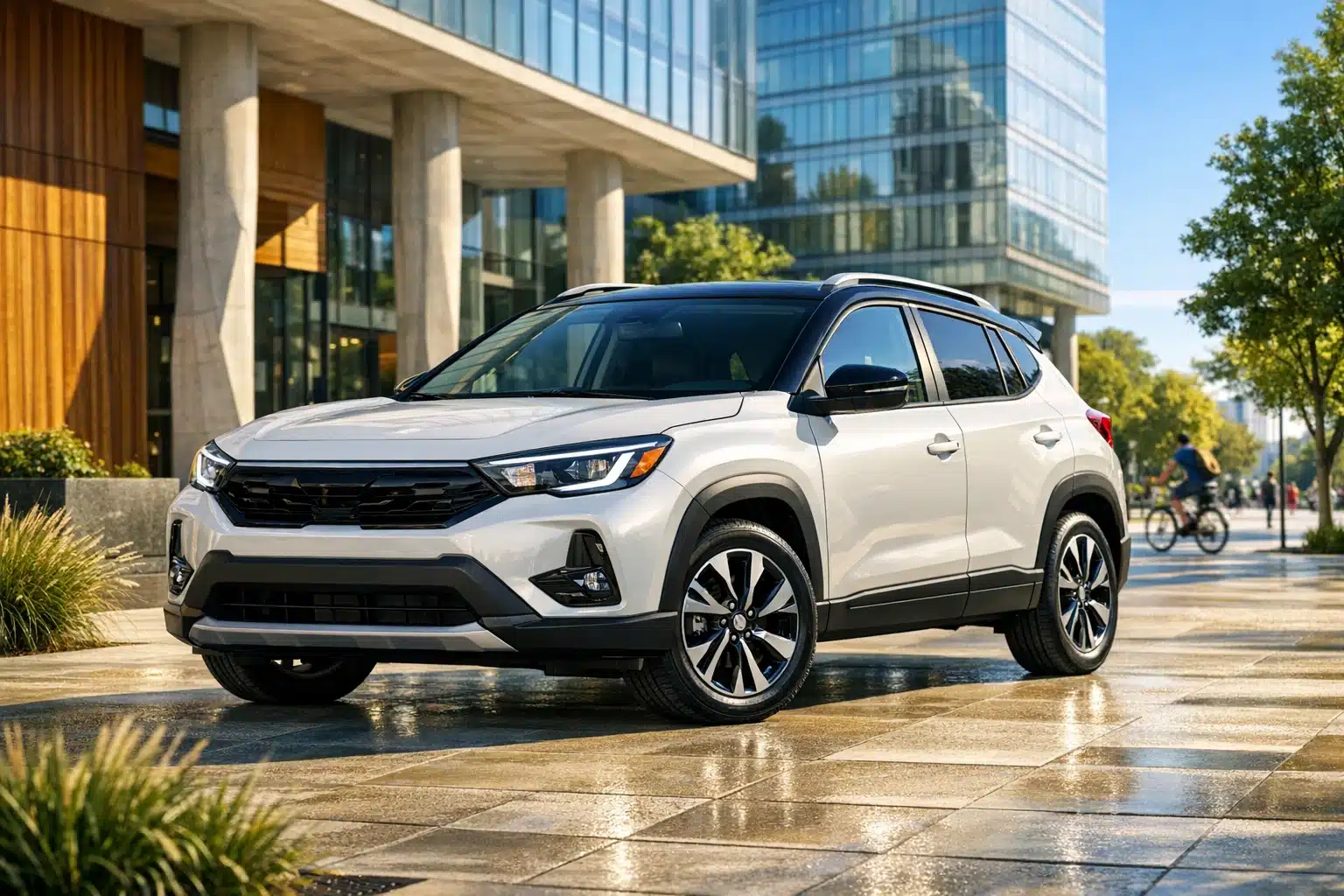
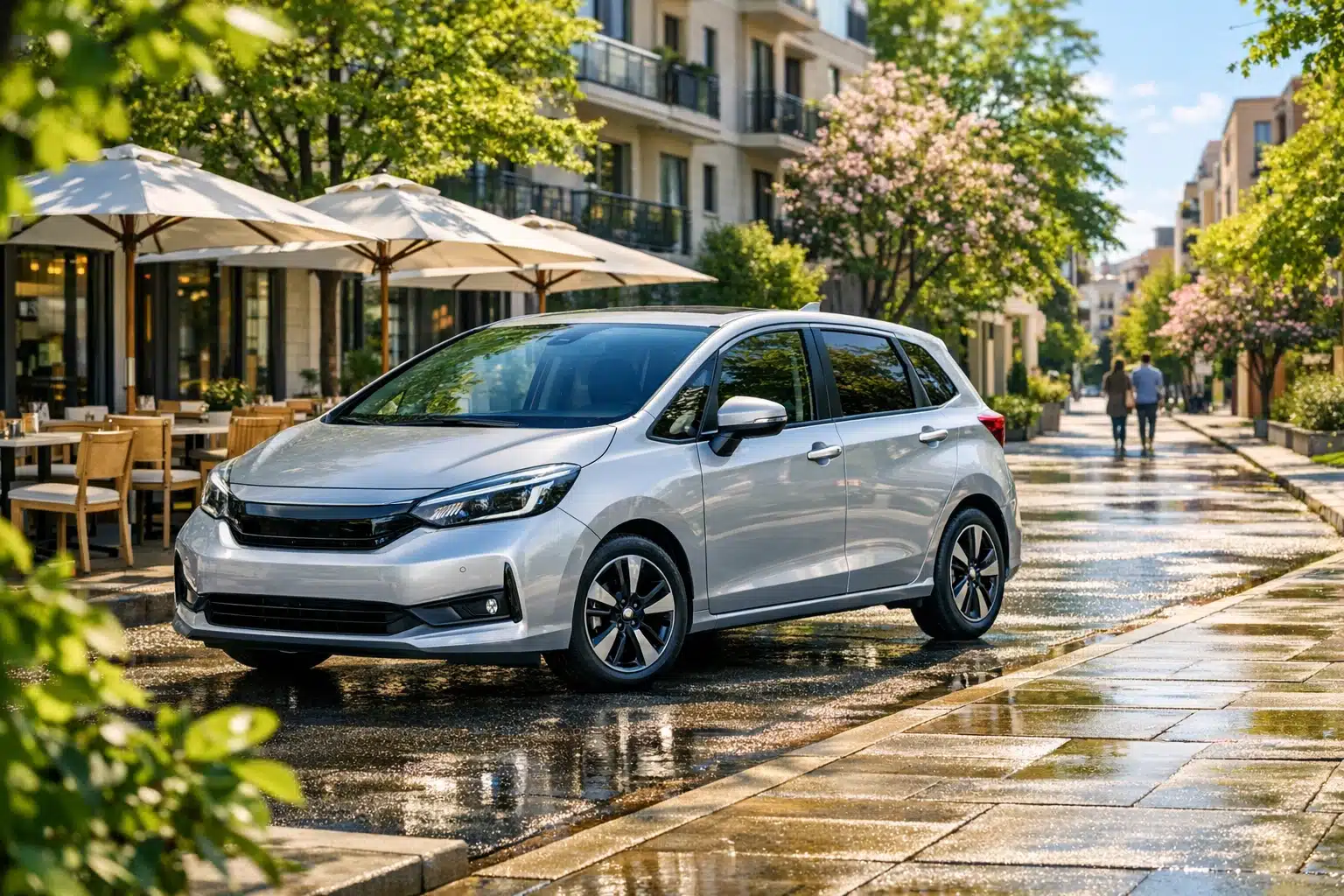
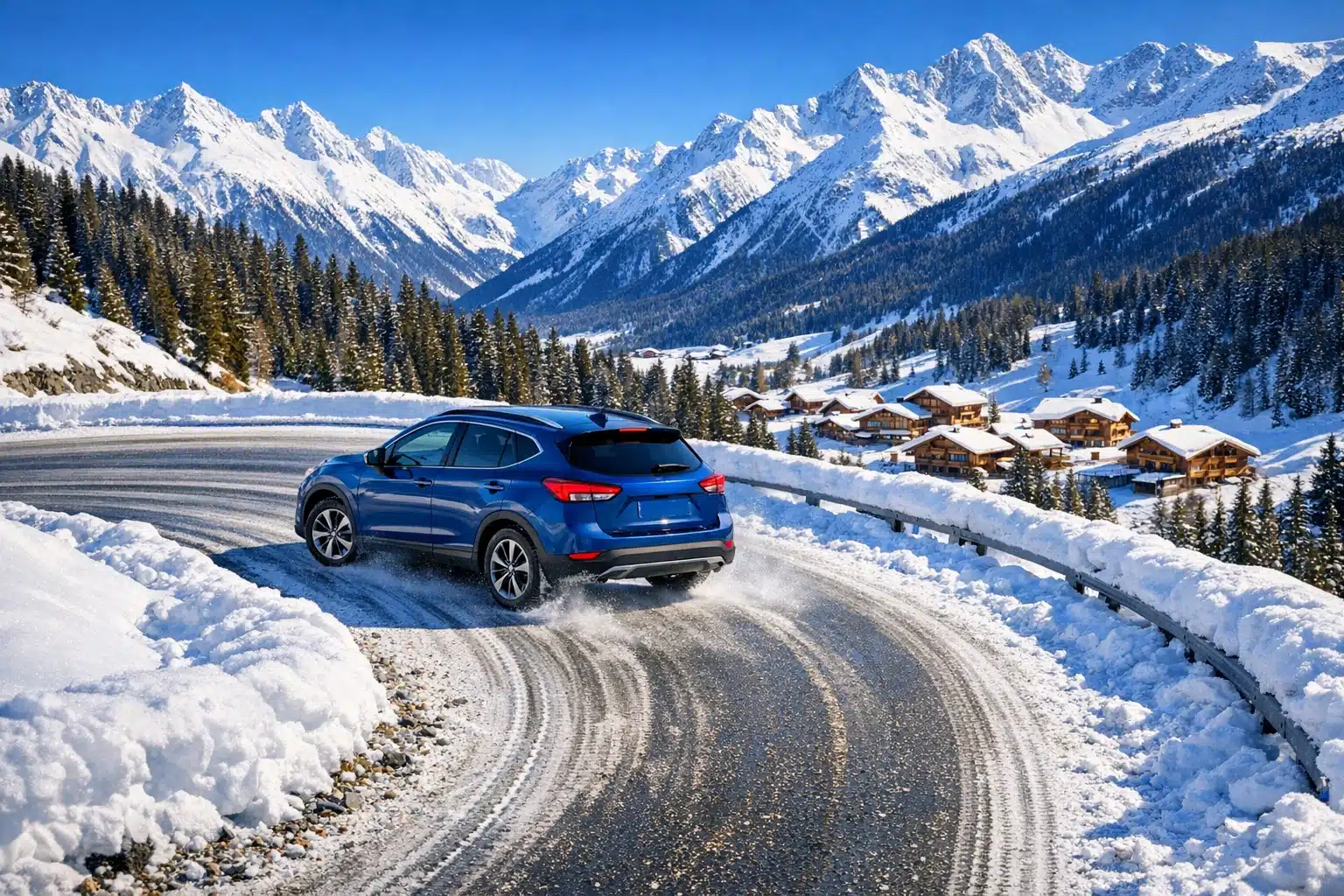
 Artificially generated image
 Benefits of Compact 4×4— Efficiency, maneuverability & rugged capability
Compact 4×4 vehicles sit at a useful crossroads: small enough for crowded streets, yet capable enough to cope with muddy lanes, loose gravel, and winter roads. For many drivers, that balance matters more than headline horsepower or oversized tires. Understanding how these systems work makes it easier to choose the right vehicle and use it safely when conditions turn difficult. The details are where confidence, efficiency, and real-world traction begin to separate.
Outline: Why compact 4×4 systems matter and what this guide covers
Before diving into terrain techniques and vehicle types, it helps to define the subject clearly. A compact 4×4 is not always a traditional part-time four-wheel-drive truck with a low-range transfer case. In today’s market, the term often includes intelligent all-wheel-drive crossovers, mini-SUVs with selectable terrain modes, and lightweight off-roaders engineered to be simple, nimble, and efficient. What unites them is not size alone, but the goal of delivering better traction and stability than two-wheel-drive vehicles while avoiding the cost, weight, and fuel penalties of larger body-on-frame machines.
This article follows a practical structure because most buyers and drivers ask the same three questions. First, how do compact systems actually manage surfaces such as mud, gravel, and snow? Second, what techniques keep climbing and descending safe when grip is inconsistent? Third, which type of vehicle is best suited to daily commuting, winter travel, light trail work, or more adventurous routes? The answers depend on drivetrain design, tires, vehicle weight, ground clearance, approach and departure angles, and the software that now governs traction far more than many drivers realize.
To keep the discussion clear, the guide is organized around five main ideas:
- How modern compact 4×4 and AWD systems distribute torque and control wheel slip.
- Why mud, gravel, and snow each demand a different driving style.
- How safe climbing and descending rely on momentum control, line choice, and traction aids.
- What separates crossovers, mini-SUVs, and lightweight off-roaders in construction and capability.
- How buyers can match everyday needs with realistic off-road expectations.
There is also an important reality check here. Marketing language sometimes makes every raised hatchback sound trail-ready, but genuine capability comes from a package, not a badge. A compact crossover with road-biased tires may be excellent on wet pavement and packed snow yet struggle in deep ruts. A lighter ladder-frame off-roader may climb with ease but feel less refined on a long highway commute. Some systems send power to the rear axle only after slip is detected; others predict slip using throttle, steering angle, and wheel-speed sensors. These differences matter on a muddy farm track just as much as on an icy suburban hill.
If you are comparing vehicles or trying to improve your driving technique, the goal is not to chase extremes. It is to understand how modestly sized 4×4 machines deliver useful capability in the real world, where the route may begin with traffic lights, continue through sleet, and end on a gravel road that twists out of sight.
How compact 4×4 systems manage mud, gravel, and snow
At first glance, mud, gravel, and snow seem to present the same problem: the ground is slippery, so the vehicle needs more grip. In practice, each surface behaves differently, and compact 4×4 systems respond through a blend of mechanical hardware and software control. That combination often includes an electronically controlled clutch pack, a center coupling, wheel-speed sensors, the anti-lock braking system, traction control, and sometimes torque vectoring that brakes a spinning wheel so power can move to the opposite side.
On mud, the challenge is maintaining forward motion without burying the tires. Mud can pack into tread blocks, turning an all-terrain tire into something closer to a slick. A compact 4×4 typically manages this by allowing a measured amount of wheel slip while limiting sudden spin. If traction control intervenes too aggressively, the vehicle may lose momentum and sink. That is why some off-road modes relax the system’s threshold, letting the tires clean themselves and continue rotating. Weight also matters. Many compact vehicles weigh significantly less than larger trucks, which can be an advantage on soft ground because lower mass reduces the tendency to dig down quickly. However, limited ground clearance means underbody contact becomes a bigger risk in deep ruts.
Gravel asks for a different approach. Loose stones move under the tire, so the surface constantly changes shape. Here, a well-tuned system aims for stability rather than brute-force pulling power. Compact AWD layouts often perform well because they can shuffle torque rapidly while electronic stability control keeps the car settled under steering input. On a fast gravel bend, the real hazard is not simply wheelspin but loss of directional control. A small vehicle with a lower center of gravity than a large SUV can feel surprisingly composed, especially when paired with modest power and predictable steering. Rally driving has long shown that balance, not just traction, matters on loose surfaces.
Snow is perhaps the terrain where compact systems earn their reputation most clearly. Snow can range from light powder to dense slush to polished ice, and no drivetrain can replace tire compound. Winter tires remain the single biggest upgrade for cold conditions because their rubber stays flexible and their tread is designed to bite into snow and evacuate slush. A compact 4×4 with dedicated winter tires will usually outperform a heavier 4×4 on summer tires. The system then adds value by distributing power smoothly during starts, helping prevent one axle from becoming overloaded, and assisting stability during lane changes or uphill launches.
In all three conditions, tires and speed management often matter more than maximum torque. Useful technical features commonly include:
- Selectable drive modes for snow, mud, or gravel.
- Hill-start assistance on slippery inclines.
- Lock or lock-simulating functions that hold a fixed front-rear torque split at low speeds.
- Brake-based traction control that mimics limited-slip behavior.
A compact 4×4 succeeds when these tools work quietly in the background. The driver feels progress, not drama. That is the real strength of the format: it turns marginal surfaces into manageable ones without demanding a giant vehicle or a specialized skill set every time the weather changes.
Safe climbing, descending, and using traction control wisely
Driving uphill or downhill off pavement is where many people discover the difference between having four driven wheels and knowing how to use them. Compact 4×4 vehicles can be impressively capable on steep terrain, but their lighter weight, smaller tires, and shorter suspension travel mean technique becomes especially important. Safe climbing starts before the vehicle even moves. Drivers should assess surface type, look for cross-ruts, identify large embedded rocks, and consider whether the crest hides a sudden drop or a sharp turn. A careful walk up the line often reveals more than the driver’s seat can show.
On climbs, smoothness is everything. Sudden throttle application can break traction, causing wheelspin that reduces forward motion and destabilizes the vehicle. Most compact systems work best when the driver applies steady power and allows the electronics to meter torque. On loose gravel, a little momentum helps. On mud, enough momentum is necessary to avoid bogging down, but too much can lead to a loss of steering control or a hard impact with ruts. On snow, especially packed snow, consistent throttle and a straight steering angle reduce the chance of sideways drift. If the vehicle stops partway up, attempting to force the climb with more throttle often deepens the problem. In many cases, the safer option is a controlled rollback or descent, then a better planned second attempt.
Descending can feel more unnerving than climbing because gravity keeps adding energy. This is where hill descent control, if fitted, can be very useful. The system uses the ABS hardware to pulse the brakes at individual wheels, maintaining a slow preset speed. It does not create grip, but it helps prevent wheel lock and allows the driver to focus on steering. In vehicles without that feature, low gearing or first gear in an automatic manual mode can provide engine braking. The central rule is simple: descend slowly enough that you never need a panicked correction. Braking hard on gravel or snow can turn a controlled descent into a slide.
Traction control deserves special attention because drivers often misunderstand it. On road surfaces, it is usually best left on. It improves safety during wet launches, icy intersections, and sudden changes in grip. Off-road, the answer depends on the terrain and the system’s calibration. Brake-based traction control can be brilliant on rocky or uneven climbs where one wheel lifts and spins. In deep mud or soft snow, however, a system that cuts engine power too quickly may kill essential momentum. Many compact vehicles now solve this with dedicated terrain modes that relax intervention rather than disabling it completely.
Useful habits for safe slopes include:
- Use the straightest practical line to reduce side-load and rollover risk.
- Keep steering inputs gentle; turning sharply while climbing wastes traction.
- Maintain a gap from the vehicle ahead, since restarts on hills are harder on loose surfaces.
- Do not crest blindly; approach slowly and be ready for the terrain to change immediately on the other side.
- Trust assistance systems, but do not assume they can overcome poor tires or excessive speed.
The quiet art of safe off-road driving is not dramatic. It is measured, observant, and patient. A compact 4×4 rewards that style because it thrives on precision rather than brute force.
Crossovers, mini-SUVs, and lightweight off-roaders: what separates them
The market groups many vehicles under the broad umbrella of “small SUVs,” yet the differences between crossovers, mini-SUVs, and lightweight off-roaders are substantial. Understanding those distinctions prevents disappointment and helps buyers choose a machine that fits both weekdays and weekends. Crossovers are generally based on unibody passenger-car platforms. That means lower weight, better fuel efficiency, more refined ride quality, and stronger crash-structure integration. In urban use, they are easy to park, often quieter at speed, and usually more economical than larger SUVs. Their AWD systems prioritize on-road stability and low-friction confidence rather than deep-trail durability.
Mini-SUVs sit in the middle. They may still use unibody construction, but they often add slightly more ground clearance, short overhangs, upright packaging, and drive modes aimed at rougher surfaces. Some feature electronically locking center or rear couplings, hill descent control, and underbody cladding that protects vulnerable components from stones and brush. This category is popular because it feels approachable. It is large enough to carry outdoor gear, small enough for apartment parking, and capable enough for forest roads, campsites, and winter mountain routes.
Lightweight off-roaders are the specialists of the group. They are often narrower, simpler, and intentionally built for articulation, visibility, and mechanical robustness rather than maximum cabin width or luxury features. A low-range gearbox, solid protective hardware, higher-profile tires, and excellent approach and departure angles can make a small off-roader remarkably effective where a larger vehicle struggles to fit. The trade-off is that these vehicles may be noisier, less efficient at motorway speeds, and less polished in daily commuting. Still, when the road dissolves into rock steps, washouts, or sticky clay, their design priorities become obvious.
A practical way to think about the category is to start with the use case. Explore compact 4×4 driving solutions — affordable, efficient systems designed for off‑road capability, urban maneuverability, and everyday reliabilit. That sentence captures why smaller capable vehicles attract such a wide audience. Many drivers are not crossing deserts or towing heavy loads; they want a car that can handle school runs, rain-slick roundabouts, ski trips, gravel lanes, and occasional trailheads without becoming cumbersome the rest of the week.
Here is a simplified comparison:
- Crossovers: best for mixed commuting, wet roads, mild snow, and light gravel use.
- Mini-SUVs: strong all-rounders for daily life plus moderate unpaved travel and winter holidays.
- Lightweight off-roaders: ideal for regular rough-track use, technical terrain, and drivers who accept comfort compromises.
No category is universally better. A well-equipped crossover may be the smartest choice for a driver who faces snow every winter but rarely leaves maintained roads. A mini-SUV may be perfect for a family that alternates city errands with camping trips. A lightweight off-roader may suit a rural owner, surveyor, outdoor guide, or enthusiast who values clearance, low range, and durability above touchscreen polish. Capability is always contextual, and compact size often makes that capability more usable, not less.
Choosing the right compact 4×4 for everyday life, travel, and light adventure
Buying a compact 4×4 is easiest when the decision begins with honest habits rather than aspirational images. Many people imagine deep mud and dramatic mountain passes, yet their real driving pattern is school traffic, motorways, poor weather, and occasional weekends on gravel or snow-covered access roads. There is nothing wrong with that. In fact, the modern compact 4×4 category exists precisely because most drivers need adaptable competence, not expedition-grade hardware. The challenge is choosing features that matter in daily use while avoiding expensive equipment that adds weight and complexity without solving any actual problem.
Start with tires and climate. If winters are serious, budget for dedicated winter tires and, if legal in your region, understand when chains might still be required. If your routes regularly involve muddy fields or deeply rutted tracks, prioritize ground clearance, tire sidewall height, and underbody protection before looking at power figures. If fuel costs and long commutes dominate your week, a lighter crossover with an on-demand AWD system may be more sensible than a rugged off-roader. Modern compact drivetrains can be very efficient when they run mainly as front-wheel drive and engage the rear axle only when sensors detect slip or predict it.
Vehicle geometry deserves more attention than many brochures give it. A car with an extra 20 to 30 millimeters of clearance, shorter front overhang, and better approach angle may navigate a broken track more confidently than a more powerful rival. Visibility also matters. Upright seating, slim pillars, and a clear view of the front corners can reduce driver fatigue and make line placement easier. Cargo space is another practical factor. Recovery gear, a compact shovel, warm layers, and snow chains take room, and adventure often begins with the unglamorous question of where to store them.
Prospective owners should also evaluate the assistance technology, not just the headline drivetrain label. Helpful questions include:
- Does the system have selectable terrain modes or only a generic automatic setting?
- Can the vehicle hold a more fixed torque split at low speed?
- Is hill descent control included and easy to activate?
- How aggressive is the traction control on loose surfaces?
- Are there tire options from reputable brands in the vehicle’s standard sizes?
Maintenance and ownership costs complete the picture. Extra differentials, couplings, and electronic modules increase capability, but they also add service considerations. Buyers should review service intervals, fluid requirements, tow ratings, spare-wheel availability, and the cost of replacing larger wheels or specialty tires. Reliability is not only about whether a system breaks; it is about whether it continues to function predictably after years of winter salt, rough roads, and everyday neglect.
For the target audience—drivers who want one vehicle to do many jobs—the smartest compact 4×4 is usually the one that feels boring in the best possible way. It starts cleanly on a freezing morning, tracks steadily through standing water, climbs a slippery driveway without fuss, and reaches a remote trailhead without becoming a burden in city parking. That calm competence is the format’s real advantage. Big capability often looks exciting, but right-sized capability tends to age better.
Conclusion for drivers seeking practical capability without unnecessary bulk
Compact 4×4 vehicles succeed because they answer a very modern problem: how to combine daily usability with dependable traction when roads turn loose, wet, or uneven. They manage mud, gravel, and snow through a careful partnership of lower weight, intelligent torque distribution, traction software, and appropriate tires. Safe results, however, still depend on the driver. Smooth throttle use, realistic speed, thoughtful line choice, and respect for slope limits matter just as much as any drive mode displayed on a dashboard.
For most readers, the key takeaway is simple. Crossovers are usually the strongest fit for urban life and winter weather, mini-SUVs broaden that ability into more rugged travel, and lightweight off-roaders remain the best option when rough terrain is a regular part of the plan. None of them can cheat physics, but the right one can dramatically reduce stress in challenging conditions. If you match the vehicle to your routes, invest in the right tires, and learn how its traction systems behave, a compact 4×4 can feel less like a compromise and more like a carefully balanced tool.
That balance is why this category keeps growing. Not every capable vehicle needs to be large, thirsty, or intimidating. Sometimes the smartest machine is the one that slips easily through city streets during the week, then shrugs off snow, gravel, and muddy tracks when the weekend opens up.