Discover the Fashion Trends Shaping Premium Thongs This Year
Premium underwear has moved far beyond being a hidden basic. Fabric quality, construction methods, and shifting consumer tastes now shape how thongs and other silhouettes feel, last, and fit into modern wardrobes. In 2026, shoppers are paying closer attention to fibers, finishing, and responsible sourcing rather than labels alone. That makes a careful look at materials, craftsmanship, and design trends especially timely.
Outline
This article begins with the role of premium fabric selection, then compares natural fibers, technical textiles, and blended constructions. It moves into modern lingerie craftsmanship, from pattern cutting to finishing details that affect comfort and durability. From there, it examines the defining underwear trends of 2026, especially in premium thong design. It closes with practical guidance for readers who want to buy better, wear longer, and understand what separates a polished piece from a forgettable one.
Why Premium Fabric Selection Matters More Than Ever
Fabric is the first conversation a garment has with the body. Before color catches the eye or trim signals luxury, the cloth itself decides whether a piece feels cool, soft, supportive, breathable, or irritating. In premium thongs and related underwear styles, that decision matters even more because the garment sits close to the skin, relies on precision fit, and must balance delicacy with daily function. A visually beautiful design made from a poorly chosen textile can twist, trap heat, lose elasticity, or feel rough after a few washes. By contrast, a thoughtfully selected fabric often disappears in the best possible way: it moves with the wearer and makes comfort feel effortless.
Premium selection usually starts with fiber content, but it does not end there. Yarn quality, knit density, finishing treatments, and stretch recovery are equally important. Long-staple cotton tends to feel smoother and pill less than lower-grade cotton. Silk offers lightness and a fluid surface, though it needs careful handling. Microfiber blends can create a sleek, nearly weightless hand feel that works well under fitted clothing. Lyocell is increasingly valued for softness and moisture management, while a measured percentage of elastane helps maintain shape. The difference between average and excellent underwear is often found in these hidden technical decisions rather than in decoration alone.
Several qualities tend to define premium fabrics in this category:
• Softness that does not rely solely on chemical finishing
• Stretch that returns to shape rather than bagging out
• Breathability suitable for long wear
• Color retention after repeated laundering
• A balanced weight that supports the design without feeling heavy
Cost also plays a role, but price alone is not proof of quality. Some expensive pieces rely on branding and styling while using ordinary base textiles. Savvier shoppers now check composition labels, seam feel, gusset materials, and care instructions before assuming a piece is superior. This shift is part of a broader change in fashion consumption. People are no longer buying underwear only for appearance or occasion; they are building intimate wardrobes with the same attention once reserved for outerwear. In that sense, premium fabric selection has become the quiet architecture of modern lingerie: mostly unseen, yet responsible for almost everything that makes a design successful.
Natural Fibers, Technical Textiles, and Blends: A Useful Comparison
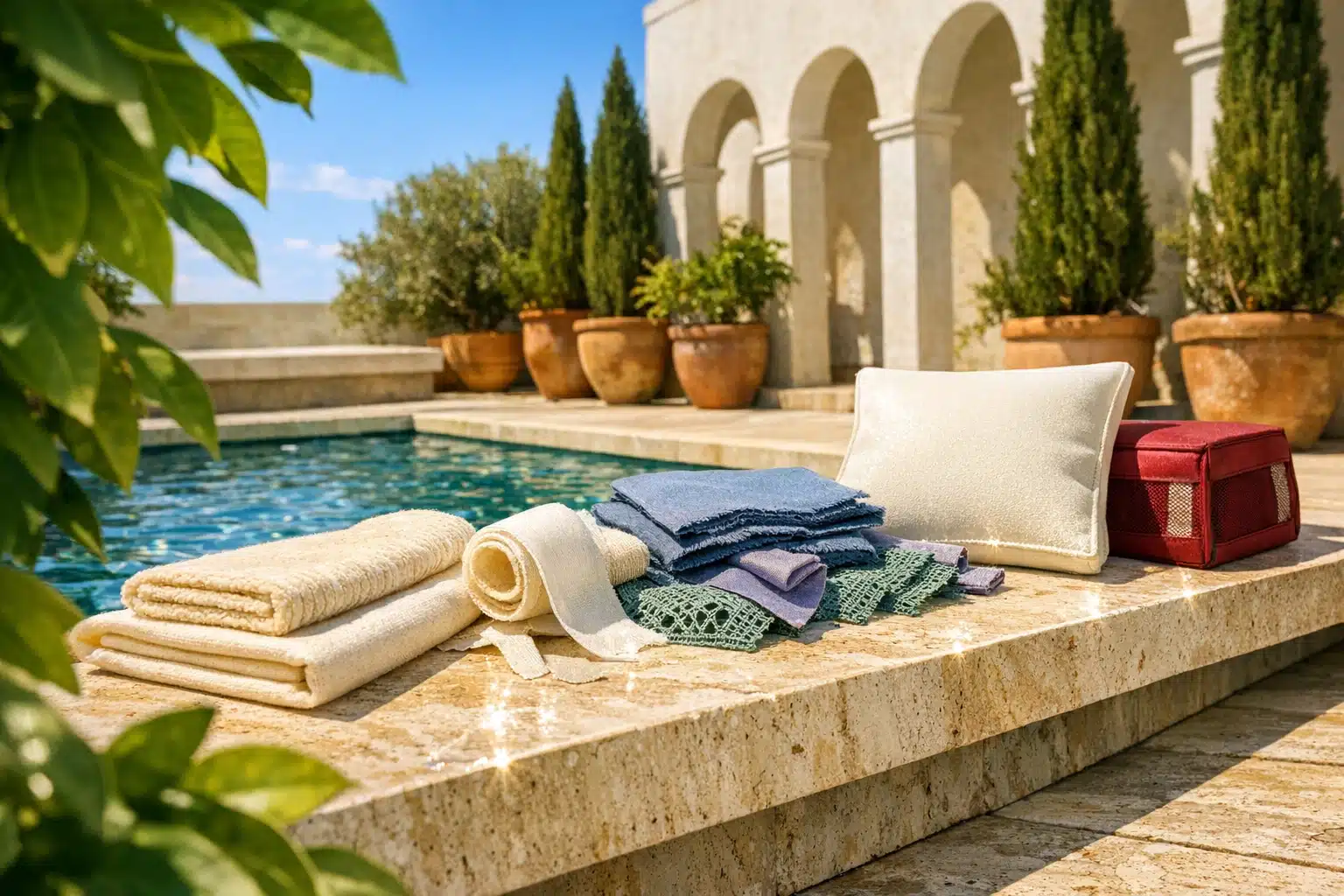
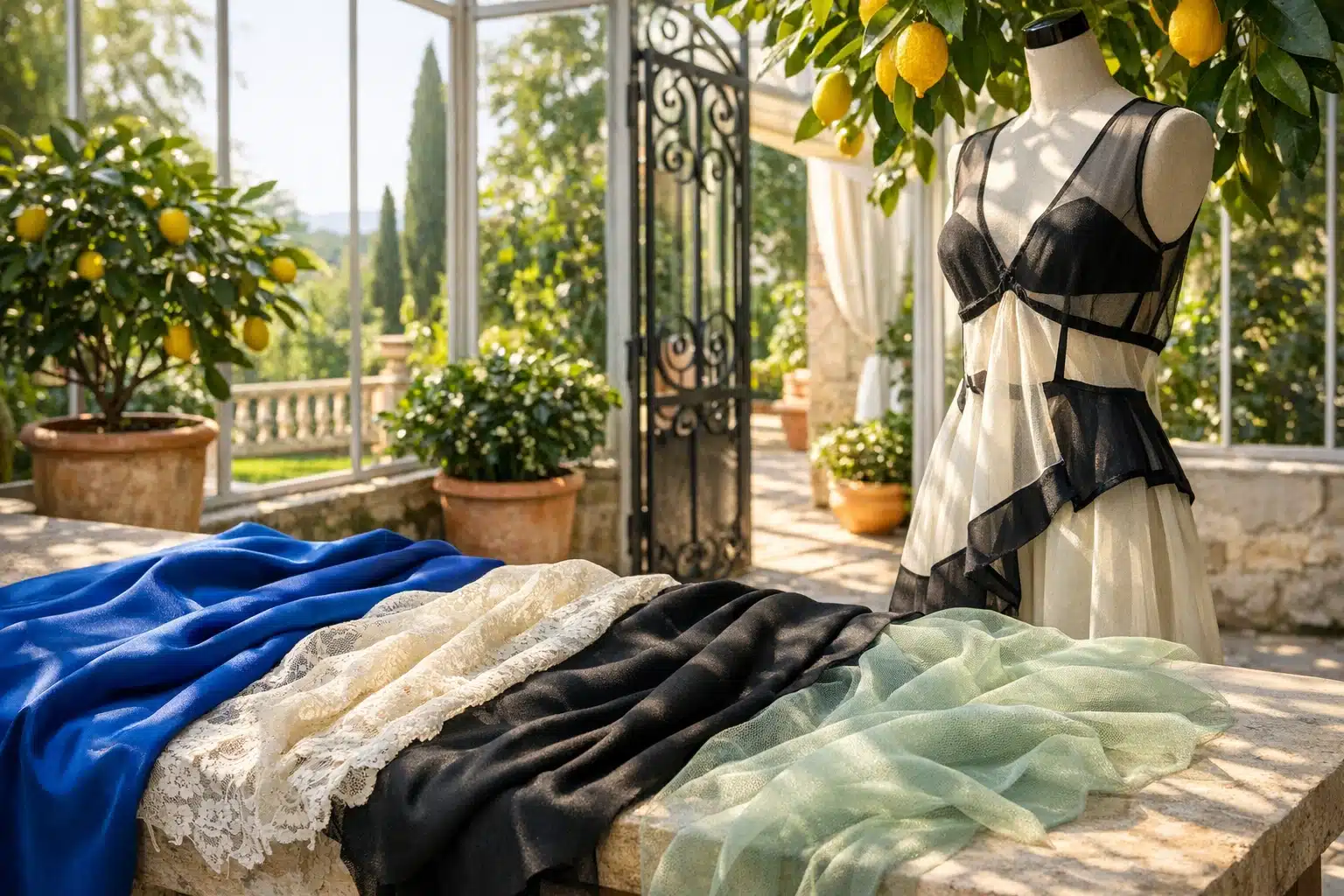
Not all premium underwear fabrics aim for the same result, which is why comparisons matter. A silk thong, a cotton-modal blend, and a laser-cut microfiber style can all be high quality, yet each serves a different purpose. Natural fibers usually appeal to shoppers who prioritize softness, breathability, and a classic tactile experience. Cotton remains a dependable option for everyday wear because it is familiar, washable, and generally comfortable against the skin. High-grade cotton can feel refined rather than basic, especially when combed, mercerized, or blended for improved recovery. Silk brings a more fluid, cool-to-the-touch sensation and often appears in luxury collections where drape and sheen are part of the appeal.
Technical textiles answer another set of needs. Nylon microfiber, polyamide blends, and engineered stretch knits are designed for smoothness, resilience, and minimal visibility under clothing. When well made, these materials can be impressively light and stable. They also allow features that are difficult to achieve with purely natural fibers, such as bonded edges, seamless finishes, and highly consistent shape retention. The best examples do not feel synthetic in a cheap way; instead, they feel precise, almost like tailored performance wear translated into intimate apparel.
Blends are where many premium products find their sweet spot. Combining fibers makes it possible to keep the comfort of one material while correcting the weaknesses of another. For example:
• Cotton with elastane improves stretch and fit retention
• Modal or lyocell with elastane creates softness with drape
• Polyamide with elastane supports sleek silhouettes
• Silk blended with modern stretch fibers adds comfort and flexibility
What shoppers should watch is proportion. Too little elastane can lead to sagging; too much can make a garment feel tight or overly compressive. In many premium underwear pieces, stretch fibers sit in a modest range that supports movement without turning the fabric rubbery. Finishing is equally decisive. Brushed interiors, enzyme washes, and refined dye methods can change the hand feel dramatically, while poor finishing can leave even promising fabrics dull or stiff.
There is also a growing sustainability angle to these comparisons. Consumers increasingly ask where the fiber came from, how it was processed, and whether the material is likely to last. Longevity is part of sustainability, and in underwear, durability often comes from blend engineering rather than from purity alone. The most successful 2026 pieces tend to reflect this reality. They do not chase a simplistic “natural equals better” message. Instead, they recognize that comfort, performance, care requirements, and intended use should guide fabric choice. The smartest approach is not to crown a single winner, but to match the textile to the role it needs to play.
Modern Lingerie Craftsmanship: Where Design Meets Precision
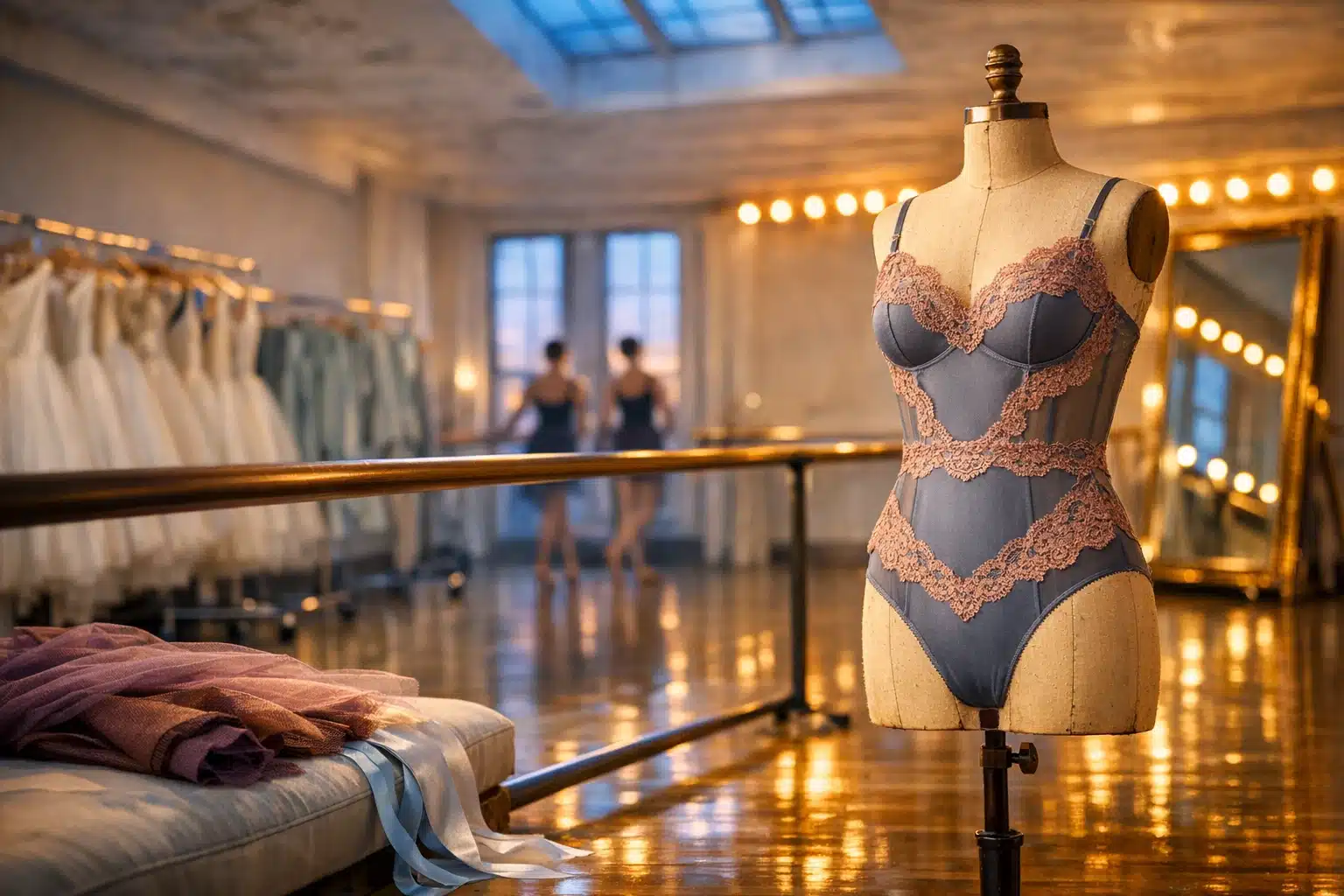
Craftsmanship in modern lingerie is easy to romanticize, yet the real story is more interesting than nostalgia. Today’s premium underwear is shaped by a mix of traditional hand-finishing knowledge and advanced production technology. A thong may look minimal on a hanger, but its success depends on pattern engineering, grain direction, seam placement, elastic tension, and finishing accuracy measured in millimeters. Small mistakes become noticeable quickly in intimate apparel because there is so little room for error. A seam that sits slightly off, a leg opening with uneven tension, or a gusset placed without enough consideration can turn a promising design into an uncomfortable one.
The design process often begins with a technical sketch and a base block that is adjusted for cut, rise, and coverage. Pattern makers consider how the fabric stretches vertically and horizontally, how it reacts after wash testing, and how the garment will sit under motion. Premium makers usually sample several versions before approval. They may alter the width of side panels, adjust back coverage, or refine the angle of the waistband so the piece remains stable without pinching. This is why better lingerie often feels calm when worn; much of the work was done long before the final piece reached the drawer.
Important markers of modern craftsmanship include:
• Clean, consistent stitching with no tunneling or puckering
• Soft seam finishes that reduce friction
• Gusset fabrics chosen for comfort rather than cost cutting
• Lace placement that aligns with both structure and appearance
• Hardware, rings, or sliders that feel smooth and secure
• Edges that lie flat without rolling excessively
Technology now supports this process in useful ways. Laser cutting can produce neat edges for seamless looks. Bonded construction reduces bulk under clothing. Digital grading helps brands extend size ranges more accurately. At the same time, hand-led quality control still matters because machines cannot fully judge tactile comfort or visual balance. The best premium pieces often show both strengths at once: technical efficiency and human refinement.
Another sign of strong craftsmanship is restraint. Good makers know when to stop adding features. A piece does not become luxurious simply by gaining more lace, more charms, or more complicated straps. Luxury often arrives through balance: a breathable fabric, a well-cut back panel, subtle trimming, and finishing that remains elegant after repeated wear. That is why modern lingerie craftsmanship deserves attention in discussions about value. It is not only about beauty. It is about whether a garment respects the body, survives real use, and justifies its place beyond a single season.
2026 Underwear Trends: Refined Minimalism, Smarter Materials, and Better Fit
The defining underwear trends of 2026 are less about shock value and more about refinement. Designers are focusing on pieces that feel luxurious in use, not merely dramatic in campaign images. Premium thongs in particular are moving toward lighter construction, cleaner lines, and tactile fabrics that make comfort part of the design language. One of the clearest shifts is the rise of elevated minimalism: silhouettes with bonded edges, discreet branding, and carefully chosen palettes replacing louder, logo-heavy styling. These designs are not plain. They are intentional, with detail moved from obvious ornament to nuanced execution.
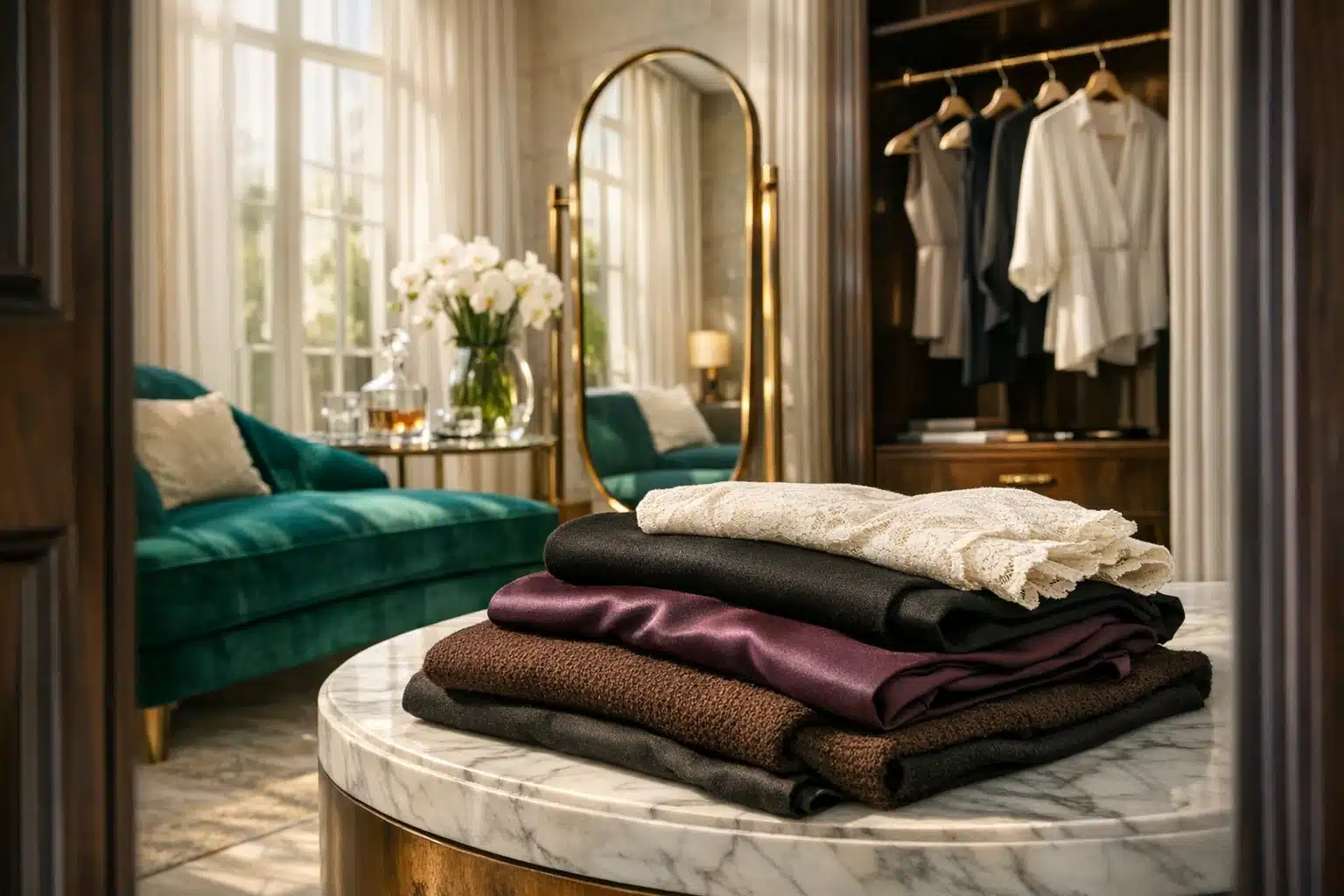
Color is evolving in a similar direction. Soft neutrals still matter, but 2026 collections are expanding into richer, more atmospheric tones. Expect espresso, deep plum, mineral green, chalk blue, and warm clay to sit beside ivory, black, and skin-tone ranges. This move reflects a wider fashion mood in which underwear is treated as part of an overall wardrobe story rather than an isolated purchase. Texture is gaining ground as well. Matte microfiber, stretch mesh, ribbed jersey, and refined lace with flatter profiles are all appearing more often because they add visual interest without creating too much bulk.
An overview of 2026 luxury thong trends, highlighting materials, craftsmanship, and design features featured by British fashion resources.
That overview aligns with several broader market observations. British fashion editors and retail commentators have increasingly highlighted three themes: fabric intelligence, discreet sensuality, and long-wear practicality. In design terms, that means softer waistbands, more thoughtfully placed seams, and fabrics that recover well after laundering. It also means a move away from purely decorative fragility. Even when lace appears, it is often stretch lace engineered to sit flatter and last longer. Even when mesh is used, it tends to be paired with panels that improve structure or comfort.
Other notable 2026 trends include:
• More inclusive size grading across premium ranges
• Greater interest in traceable fabrics and lower-impact dye processes
• Hybrid styles that combine seamless sections with decorative panels
• Wider use of cotton-lined gussets in fashion-led designs
• A stronger link between lingerie aesthetics and ready-to-wear color trends
Perhaps the most important change is conceptual. The premium thong is no longer sold only as a special-occasion item. It is being redefined as a high-function garment that can still look polished, modern, and expressive. That shift broadens the category and makes quality easier to evaluate. Instead of asking whether a style looks luxurious in a photograph, shoppers are asking better questions: does it breathe, does it stay in place, does it wash well, and does the craftsmanship hold up? In 2026, those questions are shaping the trend story just as much as silhouette or color.
Conclusion: How Style-Conscious Shoppers Can Choose Better Underwear
For readers trying to navigate premium underwear more intelligently, the key lesson is simple: quality begins long before a garment reaches the shelf. The best pieces are not defined by price tags, ornate packaging, or fashionable language alone. They are built from appropriate fabrics, cut with technical understanding, and finished with enough care to remain comfortable over time. If a thong or brief feels elegant for five minutes but fails after a few wears, it was never truly premium. Longevity, fit stability, and tactile comfort are part of the value equation.
A practical buying approach helps separate marketing from substance. Start with the composition label and ask what the fabric is meant to do. A smooth microfiber style may be ideal under slim tailoring, while a cotton-rich or lyocell blend might suit all-day wear better. Check whether the gusset feels soft, whether the edges are likely to dig in, and whether trims add function or simply visual clutter. If shopping online, zoom in on seam finishing and read care details. Brands that explain construction clearly often signal more confidence in the product itself.
It also helps to think in terms of wardrobe roles rather than one perfect answer. A strong underwear drawer often includes:
• Everyday breathable options for routine wear
• Clean-cut seamless pieces for fitted clothing
• Texture-led or lace-accented styles for aesthetic variety
• A few truly premium designs where fabric and craftsmanship justify the spend
For trend-aware shoppers, 2026 offers encouraging signs. The market is rewarding quiet excellence: better blends, more ergonomic construction, and design choices that feel modern without becoming disposable. Premium thongs are part of that shift, but the wider message applies across the category. Consumers are learning to value touch, structure, and utility alongside appearance, and that change is pushing the industry in a healthier direction.
If you are building a more considered lingerie collection, let materials and make guide your decisions first. Choose pieces that suit your routine, your clothing, and your standards for wearability. Style matters, of course, but true luxury in underwear is often the kind you notice less over the course of a day. When fabric, craftsmanship, and design work together, the result is not just fashionable. It is quietly dependable, and that is what makes it worth returning to.