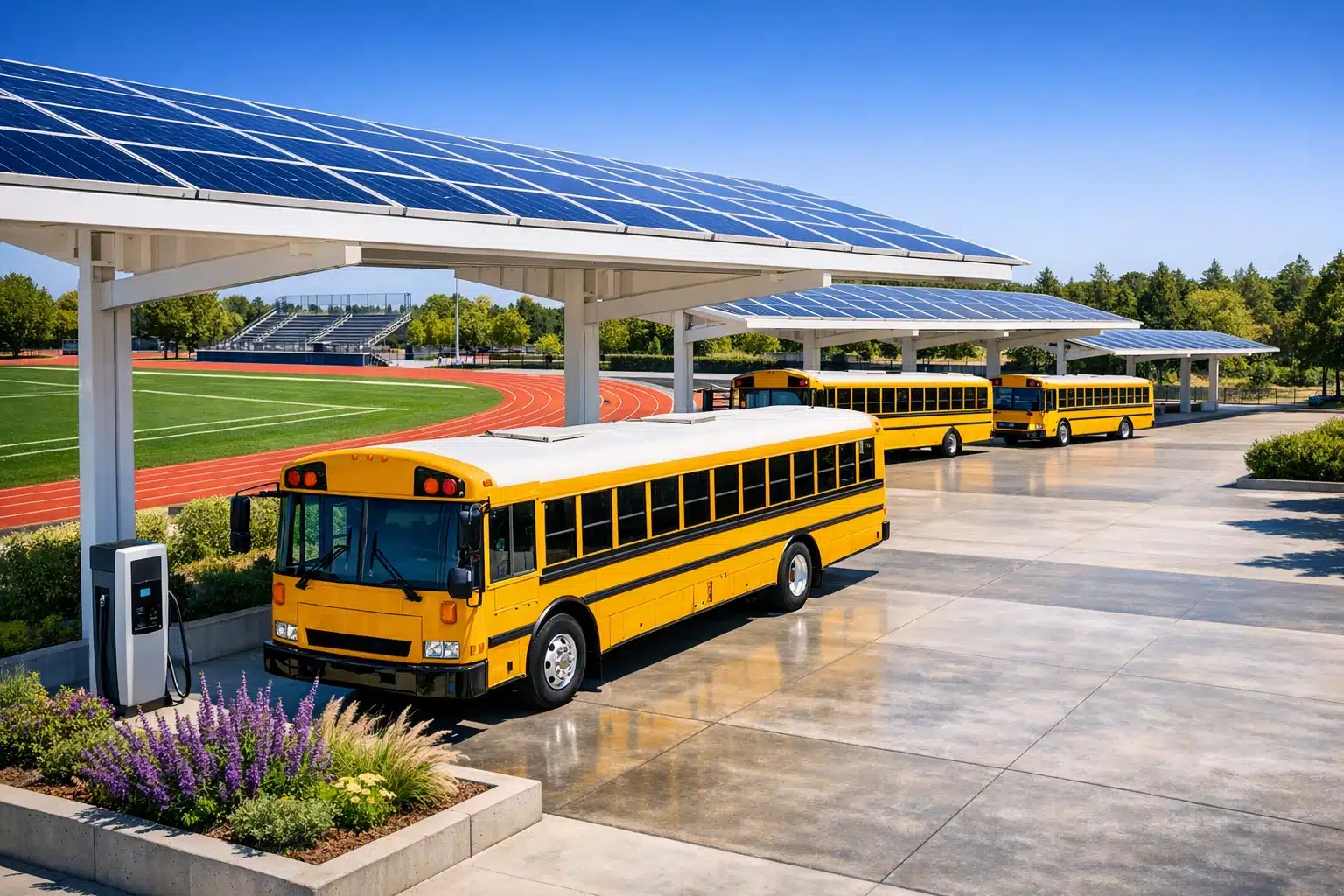
 Artificially generated image
 Tomorrow’s School Buses: Quiet, Clean Rides That Save Millions
Morning routes are changing in ways families can actually feel: less engine rumble, smoother starts, cleaner air at the curb, and vehicles that think ahead instead of simply moving forward. Explore the future of school buses and public transport — electric designs, smart systems, and affordable solutions shaping mobility in 2026. What once sounded experimental is becoming a grounded discussion about comfort, safety, cost control, and the long game of cleaner mobility.
Outline
This article moves from the rider’s seat to the fleet manager’s desk. It begins with comfort, safety, and material choices, then compares cost and operating efficiency, weighs the real environmental trade-offs, examines AI and connected systems, and closes with practical guidance for school leaders, transit planners, and families.
- Designing better interiors with safer, lower-impact materials
- Understanding upfront cost versus lifetime savings
- Measuring emissions, noise, energy use, and battery realities
- Using AI, sensors, and connectivity without losing trust or control
- Turning big ideas into workable 2026 mobility plans
Comfort, Safety, and Eco-Friendly Materials: Better Vehicles Start With Better Design
The future of school buses and public transport is not only about batteries and software. It is also about what riders notice in the first five seconds: how the door opens, how easy the step is, whether the air smells clean, how the seat feels, and whether the cabin feels calm instead of chaotic. This matters more than many procurement documents admit. A quiet, stable ride can reduce fatigue for drivers, make children less anxious, and improve the experience for older passengers or riders with sensory sensitivities. Electric drivetrains help here because they remove much of the vibration and idle noise associated with conventional diesel engines. That does not make every ride luxurious, but it does create a more settled atmosphere.
Safety has also moved beyond basic compliance. Modern vehicle design increasingly combines passive protection with active prevention. Passive systems include reinforced structures, better seat geometry, anti-slip flooring, clearer aisle layouts, and emergency exits that are easier to identify under stress. Active systems add wider camera coverage, pedestrian detection, blind-zone alerts, electronic stability control, and braking assistance. For school buses in particular, visibility around the front corners and near the curb remains critical because children can move unpredictably. On public transport routes, low-floor entry and better handrail placement can reduce falls during boarding and alighting, which is one of the most common injury points in city service.
Material choice quietly shapes both comfort and sustainability. Manufacturers are increasingly experimenting with recycled plastics, aluminum components that are easier to recover, low-VOC interior finishes, and composite panels that cut weight without sacrificing durability. Weight reduction matters because every kilogram saved can improve range or efficiency. Yet the smartest decision is not always the lightest one. High-wear fleets need surfaces that can survive years of backpacks, winter grit, moisture, constant cleaning, and occasional vandalism. A seat cover that tears easily or a panel that stains permanently may look green on paper but perform poorly in real operations.
- Low-emission interior materials can improve cabin air quality
- Durable flooring reduces replacement frequency and maintenance waste
- Better insulation improves both acoustics and temperature control
- Modular interior parts make repairs faster and cheaper
The most promising trend is the merging of human-centered design with engineering discipline. A bus should not feel like a compromise between utility and care. When a vehicle is comfortable, safe, easy to clean, and built from sensible materials, it supports attendance, trust, and daily reliability. That may sound simple, but in public mobility, simple things done well can transform how people feel about the entire system.
Cost, Efficiency, and the Numbers Behind the Shift
Sticker price is often where the conversation becomes tense. Electric school buses and electric transit buses usually cost more upfront than comparable diesel models, sometimes significantly more depending on battery size, charging hardware, and production volume. For budget-constrained districts and municipalities, that first number can look like a red stop sign. Yet purchase price alone is a narrow way to judge a vehicle that may operate for more than a decade. Fleet decisions make more sense when evaluated through total cost of ownership, which includes energy, maintenance, downtime, driver experience, infrastructure, incentives, and the residual value of the asset at the end of service.
Electric drivetrains are generally more efficient than internal combustion systems because they convert a larger share of stored energy into motion. They also recover some energy through regenerative braking, which is especially useful on stop-and-go urban routes. Diesel buses still offer advantages in refueling speed and route flexibility, particularly where charging access is weak or winter temperatures are severe. But electric platforms typically have fewer moving parts, no oil changes, and less brake wear under normal operation. Those factors can lower maintenance costs over time, although savings vary by route profile, workshop readiness, and parts availability.
Several operating variables can swing the economics in either direction:
- Daily mileage and idle time
- Electricity price and utility demand charges
- Climate, terrain, and heating or cooling needs
- Driver training and route discipline
- Charging strategy, including overnight depot charging versus faster daytime charging
- Available grants, tax credits, or public funding programs
School buses are especially interesting because many sit parked for long periods outside morning and afternoon runs. In some regions, that opens the door to vehicle-to-grid or vehicle-to-building services, where stored battery energy can support the local grid or offset facility demand. This is promising, but it is not automatic money. Revenue depends on utility rules, interconnection costs, battery warranty terms, and software that can manage charging without compromising route readiness. Public transport agencies may see different patterns: higher daily utilization can improve the case for electrification, but it also raises the bar for charger placement, route planning, and spare vehicle management.
The key financial lesson is straightforward: efficiency is not just about miles, kilowatt-hours, or liters of fuel. It is about matching the right vehicle to the right duty cycle. A district running short, repeatable routes may find electrification financially sensible much sooner than expected. A rural operator covering long distances with limited infrastructure may need a phased approach. Smart buyers compare scenarios, not slogans. When they do, the cost story becomes more nuanced and far more useful.
Environmental Impact: Cleaner Streets, Hard Questions, and the Full Life Cycle
It is easy to praise a vehicle with no tailpipe, and there is good reason to do so. Electric school buses and transit vehicles eliminate tailpipe emissions where children wait, drivers work, and pedestrians walk. That matters because diesel exhaust includes pollutants such as nitrogen oxides and particulate matter, both of which are linked to respiratory and cardiovascular harm. Around schools, cleaner curbside air can be a direct public-health improvement, not an abstract climate statistic. Noise is another environmental factor that often gets overlooked. Quieter buses reduce sound pollution on neighborhoods, at depots, and during early-morning pickup windows. A calmer street can change the mood of a block even before anyone starts measuring decibels.
Still, honest analysis has to go beyond the tailpipe. Battery production requires mining, processing, manufacturing, and transport, all of which have environmental costs. The actual climate benefit of an electric bus depends partly on the electricity source used to charge it. A grid powered mainly by coal will produce a different emissions profile than a grid with a larger share of wind, solar, hydro, or nuclear energy. The good news is that cleaner grids improve electric fleet performance over time without replacing the vehicles themselves. A diesel bus does not get cleaner as the power system evolves; an electric one can.
Lifecycle thinking also highlights practical decisions that improve outcomes:
- Right-sizing battery capacity so vehicles are not carrying unnecessary weight
- Charging when cleaner or cheaper electricity is available
- Extending battery life through sensible thermal management
- Planning for second-life use or responsible recycling at end of service
- Choosing durable parts to avoid frequent replacement cycles
Material sourcing deserves attention as well. An eco-friendly bus is not created by the powertrain alone. Recycled metals, lower-impact interior components, repairable body panels, and transparent supply chains all influence the final footprint. Public buyers are beginning to ask tougher questions about embodied carbon, battery chemistry, labor practices, and end-of-life handling. That pressure is healthy. Sustainability should survive scrutiny, not depend on marketing language.
Viewed as a whole, the environmental case for modern electric buses is strong, especially in dense urban settings and school zones where local air quality matters immediately. But the strongest case is built on full disclosure: what the bus emits on the road, what its battery required before delivery, how the electricity is produced, and what happens when the vehicle retires. Real progress comes from measuring the full journey, not just celebrating the quiet part.
AI, Sensors, and Connected Mobility: When the Bus Becomes a Smart System
A modern bus is no longer just a vehicle with seats, doors, and a schedule. It is becoming a rolling network of sensors, processors, cameras, and software services that can improve safety, maintenance, dispatching, and communication. The most useful technologies are often the least flashy. Telematics can show how a vehicle is driven, where energy is being wasted, whether a battery is overheating, and when a component is likely to fail before it strands a route. That helps fleet managers move from reactive repairs to predictive maintenance, reducing downtime and avoiding the familiar chain reaction of cancellations, substitute vehicles, and frustrated families.
Safety systems are evolving quickly. Driver-assistance tools may include lane-departure alerts, forward collision warnings, pedestrian and cyclist detection, automatic emergency braking, speed monitoring, and 360-degree camera visibility. For school buses, child-check systems help ensure no rider is left onboard after a route ends. Stop-arm cameras can document passing violations where permitted by law, while geofencing can confirm arrival and departure without relying on manual reporting. In public transport, automatic passenger counters, occupancy sensors, and live location data can improve service planning and reduce overcrowding by giving operators a clearer picture of demand.
Artificial intelligence adds another layer by identifying patterns people might miss. It can help optimize routes, balance charging schedules across depots, predict battery degradation, and flag unusual operating behavior that suggests a mechanical issue or training need. In a city network, AI can support dynamic dispatch during disruptions, weather shifts, or event traffic. In a school setting, it can align routes with attendance patterns, bell schedules, and road conditions. Useful intelligence, however, depends on clean data and clear goals. A dashboard full of graphs means little if no one knows what action to take next.
- Predictive maintenance can reduce unexpected breakdowns
- Smart charging can lower peak demand and electricity costs
- Connected routing can improve punctuality and vehicle utilization
- Real-time alerts can strengthen communication with operations teams
There is also a line that should not be crossed casually. Connected mobility raises legitimate concerns about cybersecurity, data privacy, algorithmic bias, and over-surveillance of drivers or students. Cameras and sensors can protect people, but they can also collect more information than necessary if policies are vague. The strongest fleets will treat trust as part of the technology stack. That means securing software updates, setting clear retention rules for video and location data, training staff properly, and being transparent with families and employees. Smart mobility works best when people understand not only what the system can do, but what it will not do.
Conclusion for School Leaders, Transit Planners, and Families: What Matters Most in 2026
If you are responsible for buses, budgets, or rider experience, the most important takeaway is this: the future is not one magic product. It is a set of coordinated decisions about design, energy, data, training, and public trust. Tomorrow’s best fleets will probably not be those that buy the most expensive technology first. They will be the ones that match vehicles to routes, choose materials that last, build charging and maintenance plans carefully, and use digital tools to solve real operating problems. In plain terms, success will come from disciplined planning rather than shiny procurement language.
For school districts, the strongest first steps often include route analysis, depot readiness checks, utility conversations, and pilot programs sized to local conditions. A suburban district with short routes and predictable parking windows may be ready for a larger electric rollout sooner than expected. A rural district with long distances, cold winters, and limited electrical capacity may benefit from mixed fleets during the transition. Transit agencies face a similar balancing act. Frequent-stop city routes may reward electrification and regenerative braking, while high-mileage regional service may require more gradual deployment. There is no shame in phasing change. In fact, that is usually how resilient systems are built.
Families and riders have a role in this story too. They may not read a total cost model, but they notice cleaner air, quieter neighborhoods, smoother rides, and more reliable arrival information. Those everyday improvements shape public support more than technical brochures ever will. When parents trust the ride, drivers feel supported, and operators can explain why certain investments were made, adoption becomes easier. Infrastructure projects stop feeling abstract and start feeling relevant.
A practical 2026 roadmap usually includes a few common ingredients:
- Measure current route patterns before selecting vehicle types
- Compare lifetime operating costs, not only purchase prices
- Set standards for safety, repairability, and material durability
- Plan charging, software support, and staff training together
- Protect privacy and cybersecurity from the start
The road ahead is less about chasing trends and more about building transport that people can rely on every day. Quiet cabins, lower emissions, smarter systems, and better economics are no longer separate conversations. They are part of the same mobility equation. For decision-makers and families alike, that is good news: the next generation of school buses and public transport can be cleaner, safer, and more sensible at the same time.